Sites
28 sites, drawn from the epigraphic record and from the Archaeological Survey’s 1900 inventory of the Nizam’s territories. Several are recorded nowhere else in the modern literature.
Warangal and Hanamakonda
The twin towns hold many of the sites within a few kilometres of each other. The map shows them one by one.
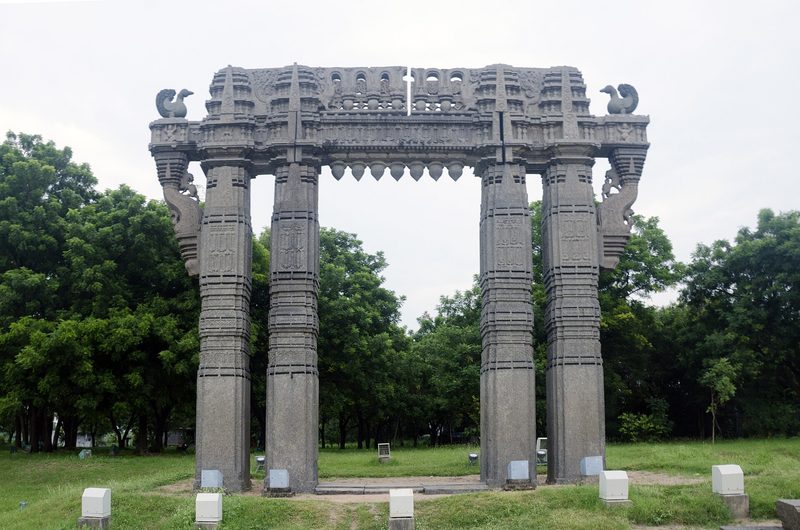
Warangal Fort
Warangal Fort was the Kakatiya capital at Orugallu. The great circular fort has an outer earthen wall and an inner masonry wall, with a gate on each of its four sides: north, south, east and west. The Swayambhu temple, the shrine of the dynasty’s tutelary god, stood at its centre.
Also recorded as: Orugallu · Orugolu · Orrugallu · Warangal · Oruganti · Ekasilanagaram +5 more
- Period
- Kakatiya, late 12th century to 1323 CE
- Type
- Forts
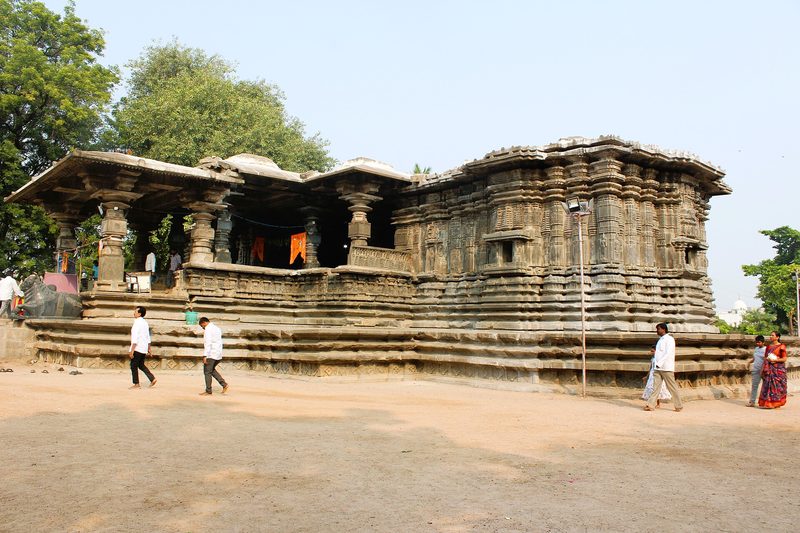
Thousand Pillar Templeవేయ్యి స్తంభాల గుడి
The Thousand Pillar Temple at Hanamakonda is the triple-shrined temple that Rudra Deva consecrated in 1163. Its three shrines are dedicated to Shiva, Vishnu and Surya. The 1900 survey called it one of the finest monuments in the Nizam’s dominions.
Also recorded as: Rudreswara · Rudreshwara · Veysthambala Gudi · Veyistambhalagudi · Thousand Pillared Temple · Hanumkonda temple +4 more
- Period
- Kakatiya, from 1163 CE
- Type
- Temples
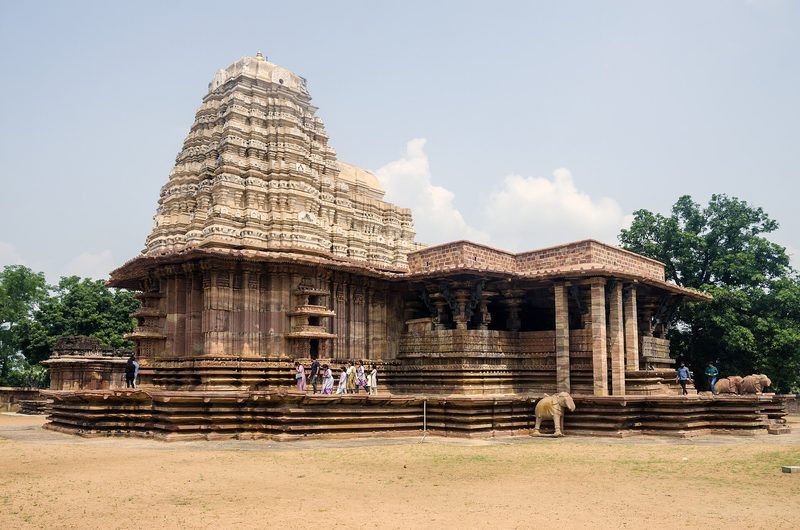
Ramappa Temple
Ramappa Temple, at Palampet, is a single-shrine temple with three entrance porches, built in 1213 by the general Recherla Rudra. It stands on a high, two-tier, star-shaped platform. Its dolerite bracket sculptures and its light brick tower are its best-known features.
Also recorded as: Rudreswara · Rudreshwara · Palampet · Palampett · Palampeta · Pilampet +3 more
- Period
- Kakatiya, from 1213 CE
- Type
- Temples
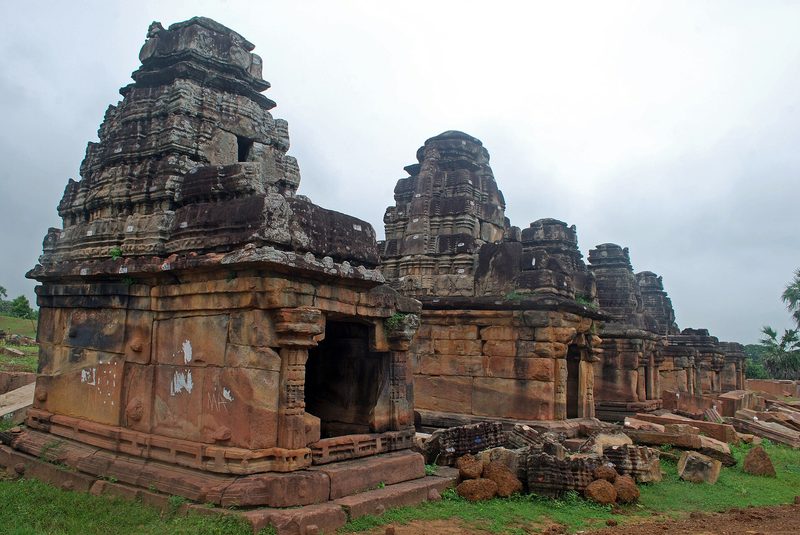
Ghanpur Temple Complex
The Ghanpur temples, also called Kota Gullu, are a group of about twenty-two temples within an enclosure 260 feet square in Mulug taluk. They are built of red sandstone and granite.
Also recorded as: Ghanapur · Ghanpoor · Ganapeshwaralayam · Kota Gullu
- Period
- 13th century, Kakatiya
- Type
- Temple complexes
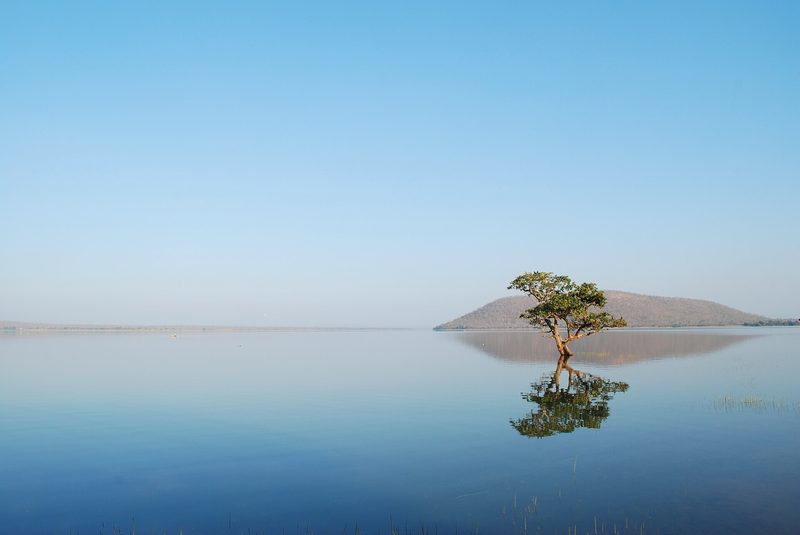
Pakhal Lake
Pakhal Lake is one of the great Kakatiya-period tanks of Warangal district. Its dam is two thousand yards long and holds back nearly thirteen square miles of water. An inscription from the reign of Ganapati Deva credits the tank to Jagadala Mummadi.
Also recorded as: Pakhal · Pakhal Lake · Pakhal Tunk · Pakhal reservoir · Pakala · Pakala Lake +2 more
- Period
- Kakatiya, reign of Ganapati Deva. Tradition ascribes the tank to Pratapa Rudra
- Type
- Water structures
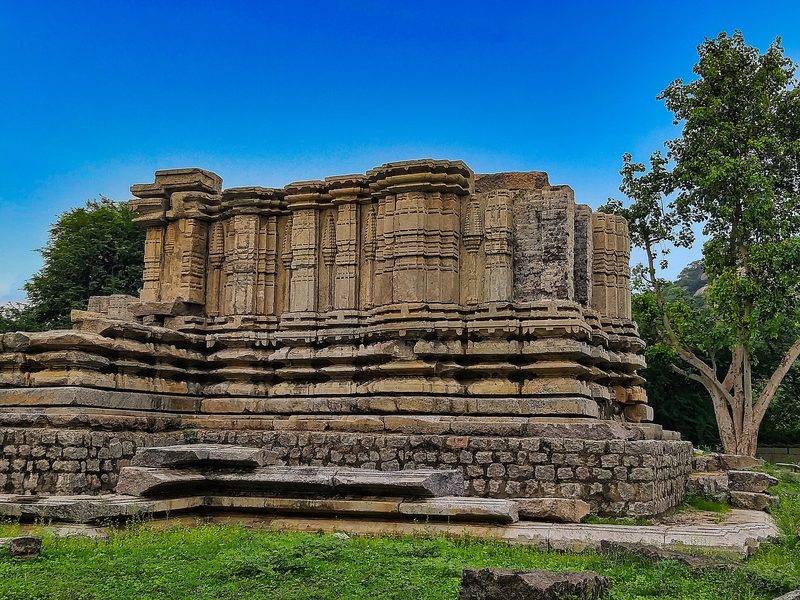
Neddigonda Temple
Neddigonda (Nidigonda) Temple is a triple-shrined temple about thirty miles from Hanamakonda on the Hyderabad road. An inscription of 1219 records that Kundamamba, a sister of Ganapati Deva, built it as the Kundeshwara temple.
Also recorded as: Neddigonda · Nedigonda · Nidigonda · Nidigonda temple
- Period
- Kakatiya, 1219 CE
- Type
- Temples
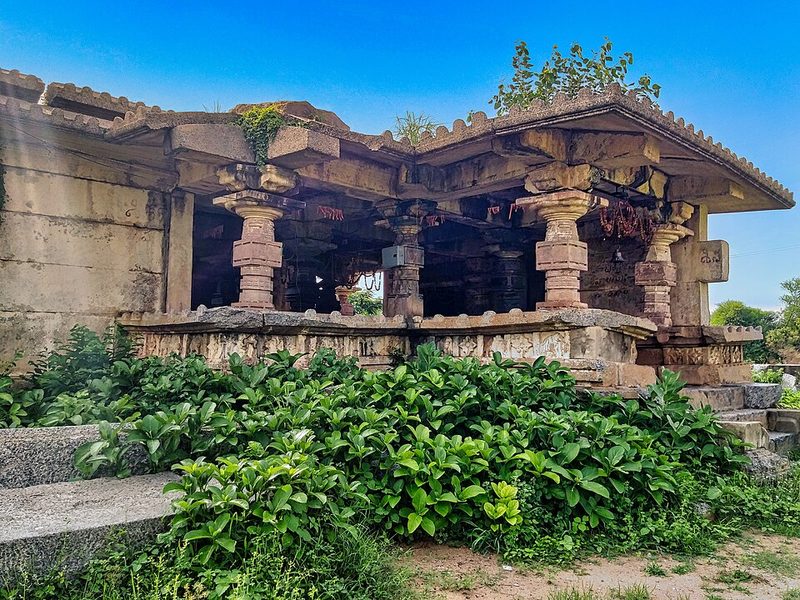
Uparpalle Temples
The Uparpalle temples are ruined temples of about the same age as Hanamakonda and Ramappa. They are built mainly of granite, with decorated parts in the fine-grained black stone of Chalukyan work.
Also recorded as: Uparpalle · Uparpalle temple · Upparllapalli · Yedlapuram temples
- Period
- Kakatiya, c. 13th century
- Type
- Temples
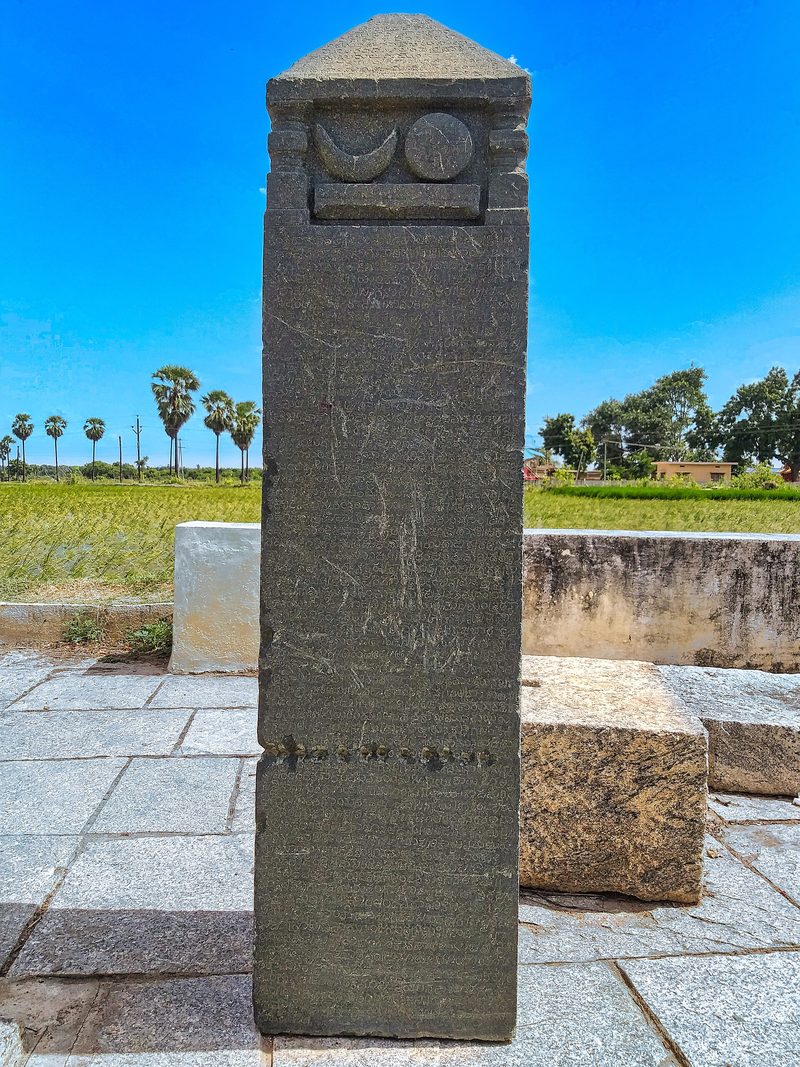
Kusumanchi Inscribed Column
The Kusumanchi column is a short square column with a Kannada inscription on all four faces. The column stands about twelve miles west of Khammam.
Also recorded as: Kusumanchi · Kushumanchi · Kusumanchi pillar
- Period
- Undated. A Kakatiya inscription of 1260 stands in the same village
- Type
- Epigraphic monuments
Jidkal Reservoir
Jidkal is an old reservoir in good preservation, with a temple at which a large fair is held. The reservoir lies eight miles east of Jangaon on the Nizam's Guaranteed State Railway.
Also recorded as: Jidkal · Jidkal tank · Jedikal
- Period
- medieval
- Type
- Water structures
Paloncha Fort
Paloncha is a fort fourteen miles south-west of Bhadrachalam. The Paloncha estate existed before the reign of Pratapa Rudra.
Also recorded as: Paloncha · Paloncha fort · Palancha
- Period
- medieval
- Type
- Forts
Pillalamarri Temples
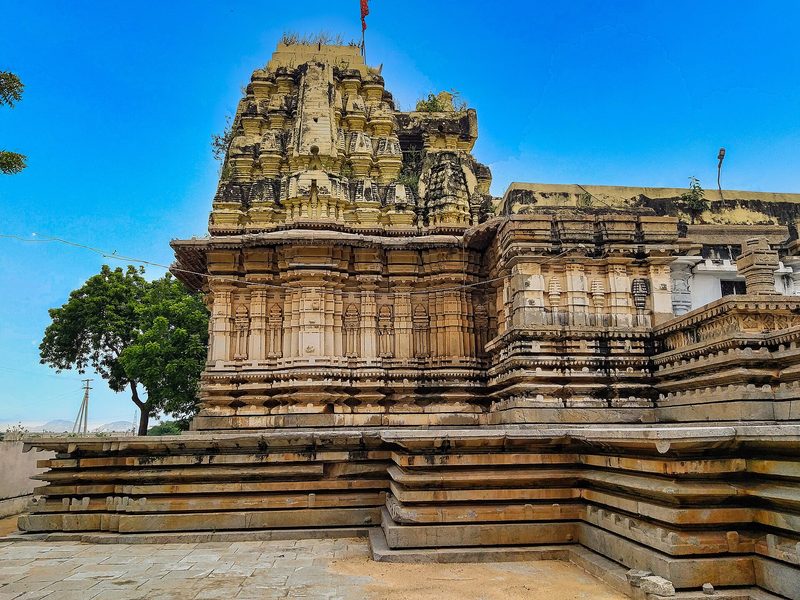
Pillalamarri is a major Kakatiya temple centre in Suryapet taluk of present-day Nalgonda district. Parabrahma Sastry names it among the best surviving examples of the art and architecture of the period.
Also recorded as: Pillalamarri · Pillalamarry · Pillalamari
- Period
- Kakatiya, c. 13th century
- Type
- Temples
Bandri Gateway
A gateway pillar inside Warangal Fort carries an inscription that names Kapilendra, the Gajapati king of Orissa. The gateway is not yet securely identified with any surviving gate.
Also recorded as: Bandri · Bandri gate · Bandri gateway · Bandri gudi
- Period
- Kakatiya, with a Gajapati (Orissa) inscription of the 15th century
- Type
- Gateways
Khasi Mahal
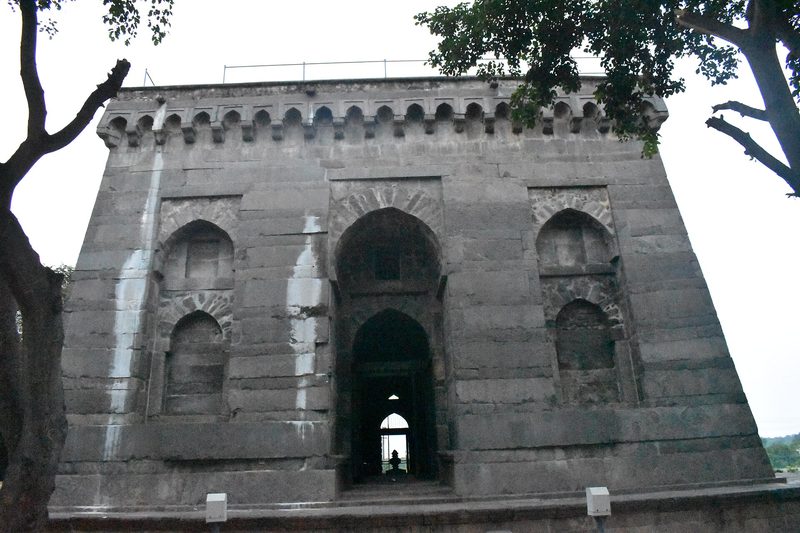
Khasi Mahal, also called Khush Mahal, is a large hall near the western gateway of the Swayambhu temple site in Warangal Fort. Hirananda Sastri identified it in 1932 as the durbar hall of Shitab Khan.
Also recorded as: Khasi Mahal · Khas Mahal · Khasi Palace · Khush Mahal · Kush Mahal · Kushimahal +1 more
- Period
- Post-Kakatiya, about 1500 CE, attributed to Shitab Khan
- Type
- Later buildings
Konda Masjid
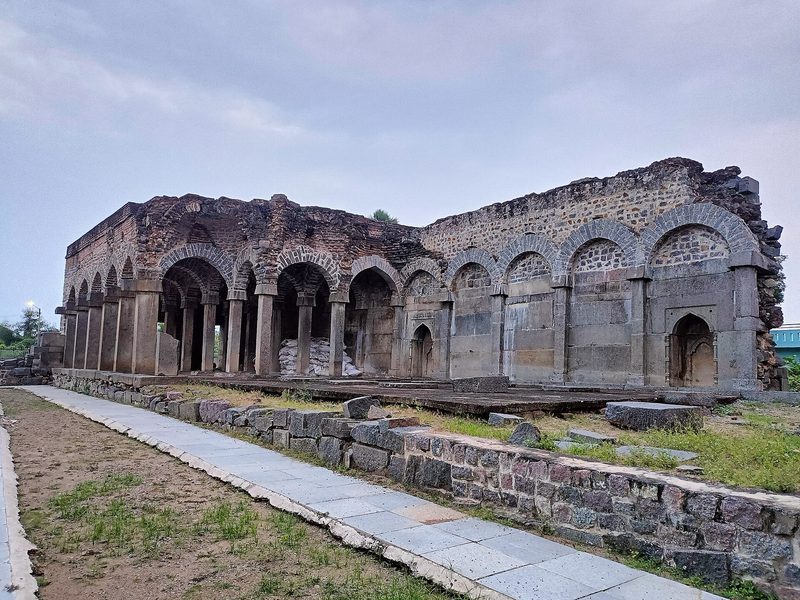
Konda Masjid is an old, partly ruined mosque inside Warangal Fort.
Also recorded as: Konda Masjid · Konda mosque · Kond Masjid
- Period
- post-Kakatiya
- Type
- Later buildings
Bhadrakali Temple
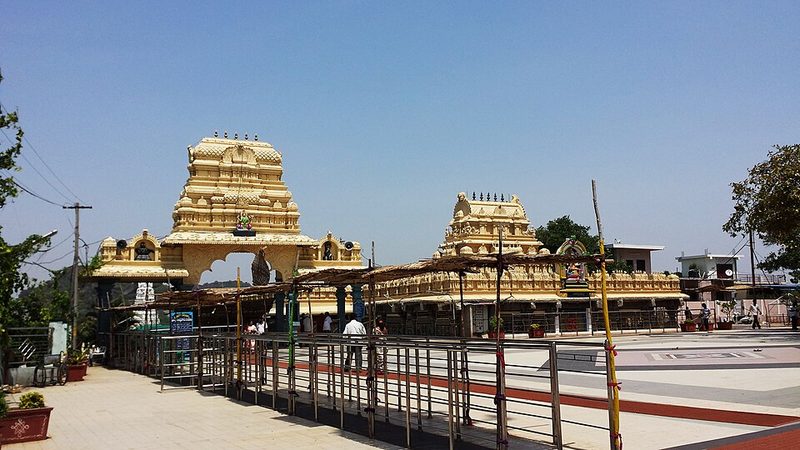
The Bhadrakali Temple is a hilltop shrine between Warangal and Hanamakonda. One historian identifies its seated, many-armed goddess as Kakatamma, the guardian goddess of the Kakatiyas. No inscription in the sources consulted dates the temple.
Also recorded as: Bhadrakali · Bhadra Kali · Sri Bhadrakali Devasthanam · Kakatamma
- Period
- Undated. One historian attributes it to Rudrama Devi, and local tradition to the Chalukya period
- Type
- Temples
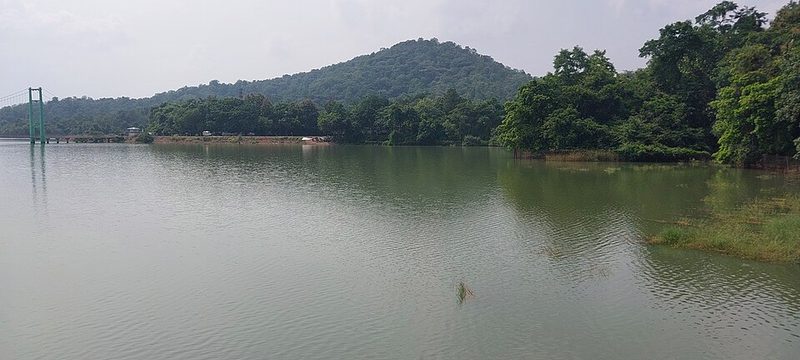
Laknavaram Lake
Laknavaram Lake is a large tank in Mulug taluk, formed by closing three narrow valleys with short bunds. The sources count it among the Kakatiya-period tanks of the district, but none names its builder.
Also recorded as: Laknavaram · Laknavaram Cheruvu · Laknavaram tank · Lakhnavaram · Lakhanvaram
- Period
- Kakatiya period. The builder is not recorded
- Type
- Water structures
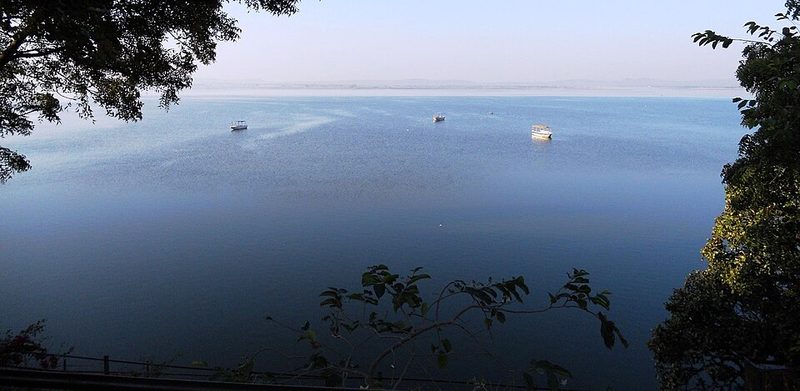
Ramappa Lake
Ramappa Lake is the tank beside the Ramappa Temple at Palampet. The temple's inscription of 1213 credits it to the general Recherla Rudra, who also founded a town beside it.
Also recorded as: Ramappa Cheruvu · Ramappa tank · Palampet tank · Palampet lake · Atukuru
- Period
- Kakatiya, 1213 CE
- Type
- Water structures
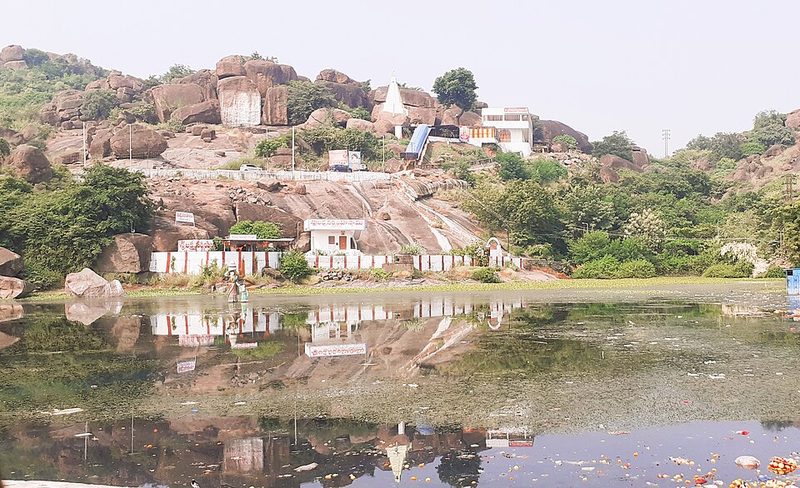
Padmakshi Temple
The Padmakshi Temple is a small hilltop shrine at Hanamakonda. It was built in 1117 as a Jain temple, the Kadalalaya Basadi, and was later used for Hindu worship of the goddess Padmakshi. Its rock-cut Jain reliefs may be older than the temple.
Also recorded as: Padmakshi · Padmaksi · Padmakshi hill · Kadalalaya Basadi · Padmakshamma · Padmaksi-gundam +1 more
- Period
- The rock reliefs are possibly Rashtrakuta. The Jain basadi dates from 1117 CE, and Hindu worship came later
- Type
- Temples
Bayyaram Tank
The Bayyaram Tank is a large tank near Bayyaram, built by Ganapati Deva's sister Mailama. She named it Dharmakirti-samudra after her title. Its inscription, found in 1965, is the only record that gives a long genealogy of the early Kakatiyas.
Also recorded as: Bayyaram · Bayyaram Cheruvu · Dharmakirti-samudra · Kotagadda
- Period
- Kakatiya, reign of Ganapati Deva
- Type
- Water structures
Kesamudram Tank
The Kesamudram Tank is identified with the Kesari-samudra that the Bayyaram inscription credits to the early chief Prola I. Prola I named the tank after his title, arigaja-kesari.
Also recorded as: Kesamudram · Kesari-samudra · Kesari Samudram · Kesari-tataka · Jagatikesari-tataka
- Period
- Early Kakatiya, reign of Prola I
- Type
- Water structures
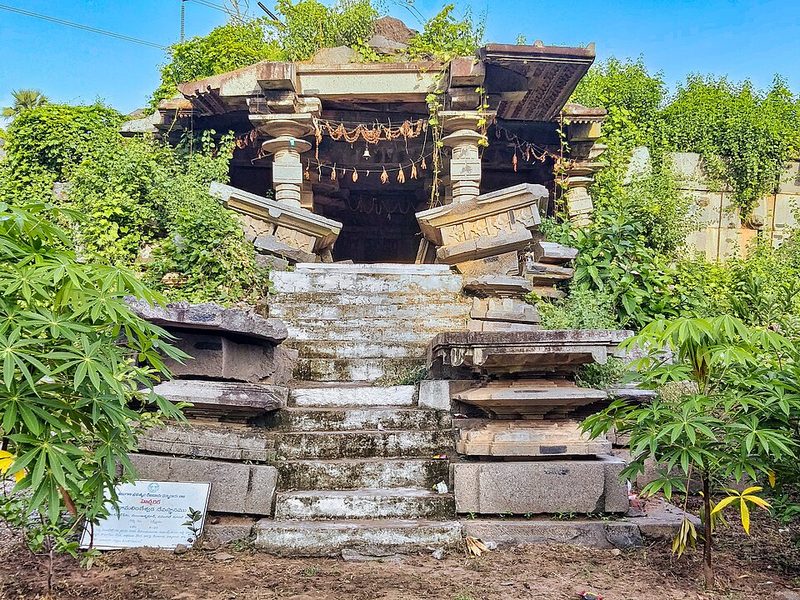
Katakshapur Temples
The Katakshapur Temples are two ruined triple shrines near the Warangal–Mulug road, one Saiva and one Vaishnava. Gopalakrishna Murthy counts their standing Vishnu among the most beautiful works of Kakatiya sculpture.
Also recorded as: Katachpur · Kataksapura · Katakshapuram · Katakshpur
- Period
- Kakatiya
- Type
- Temple complexes
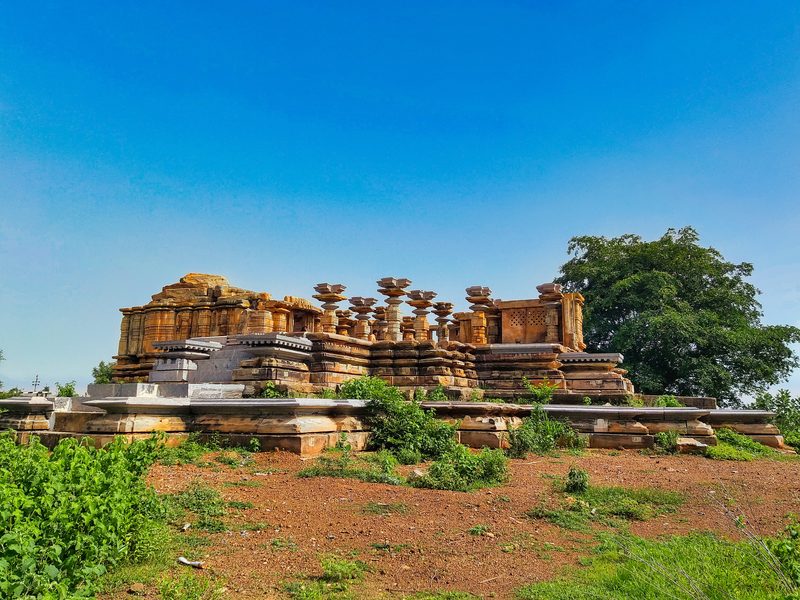
Jakaram Temple
The Jakaram Temple is a small single-shrine temple on a mound in the fields outside Jakaram, on the Warangal–Mulug road. It is noted for its carved doorway jambs.
Also recorded as: Jakaram
- Period
- Kakatiya
- Type
- Temples
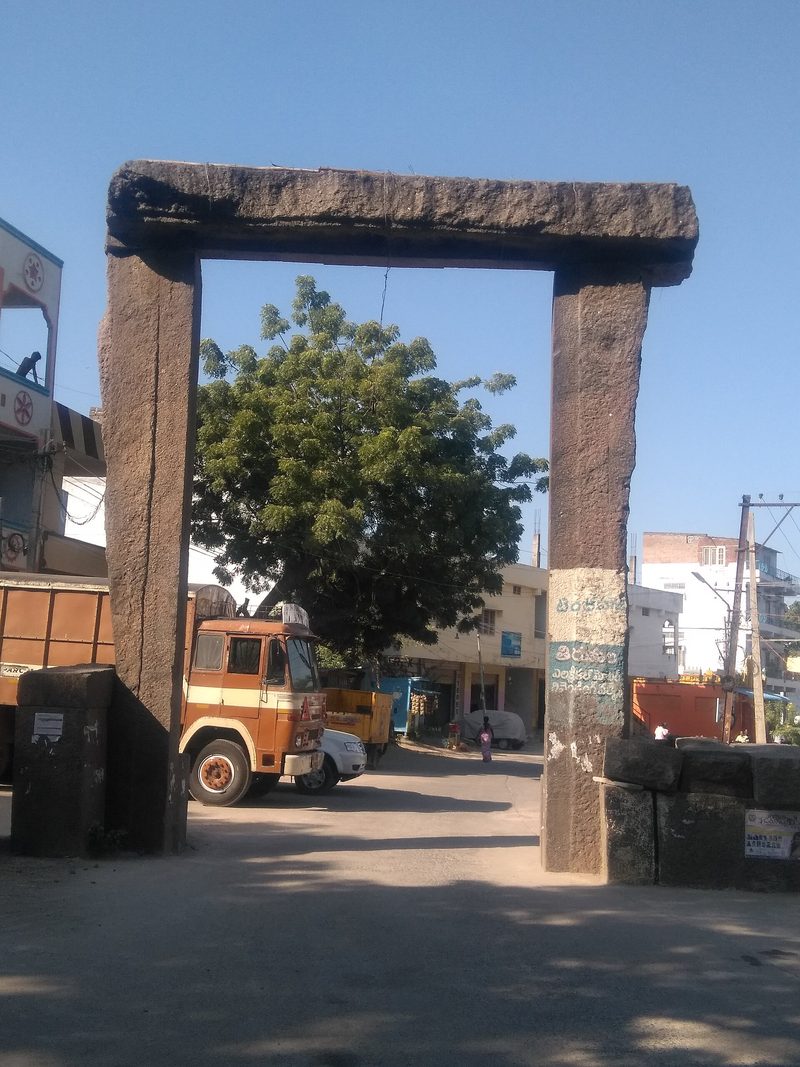
Anumakonda Fort
The Anumakonda Fort was the citadel of the early Kakatiya capital. Mud walls join a circle of hills, and two stone gateways lead through the walls.
Also recorded as: Anumakonda · Anmakonda · Hanamakonda fort · Hanumakonda fort · Giri Durga · Hanmantgiri +1 more
- Period
- Early Kakatiya, late 11th century (attributed)
- Type
- Forts
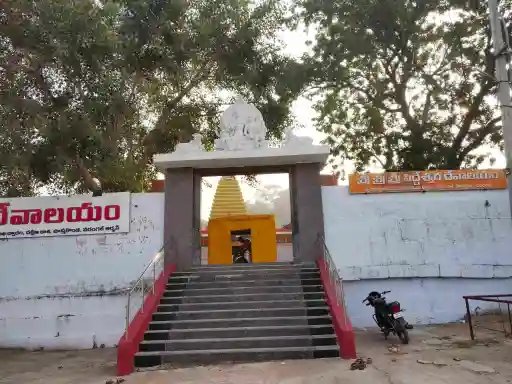
Siddhesvara Temple
The Siddhesvara Temple stands inside the old citadel of Anumakonda, beside the Padmakshi hill. Gopalakrishna Murthy dates its linga pedestal to the time of Beta II on grounds of style.
Also recorded as: Siddhesvara · Siddheswara · Siddeshwara · Siddhesvara swamy · Siddheswara swamy temple
- Period
- Early Kakatiya, possibly the reign of Beta II on grounds of style
- Type
- Temples
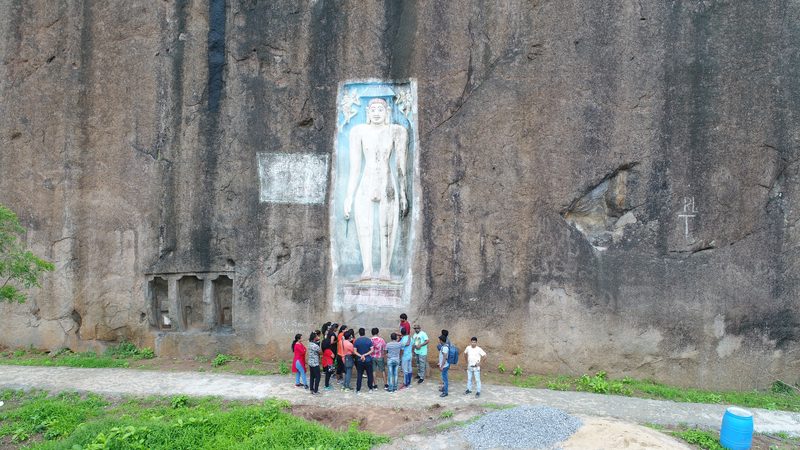
Aggalayya Gutta
Aggalayya Gutta is a granite hill at Hanamakonda, opposite the Padmakshi hill. Large standing Jain Tirthankaras are carved on its rock faces. No inscription dates them, and the link with the physician Aggalayya rests on tradition.
Also recorded as: Aggalaya Gutta · Aggalaiah Gutta · Aggalayya · Aggalaiah · Agilaiah Gutta · Eggalayya Gutta +4 more
- Period
- Undated. Writers date the carvings to the 9th to 11th century on grounds of style, before the Kakatiyas ruled in their own right
- Type
- Temples
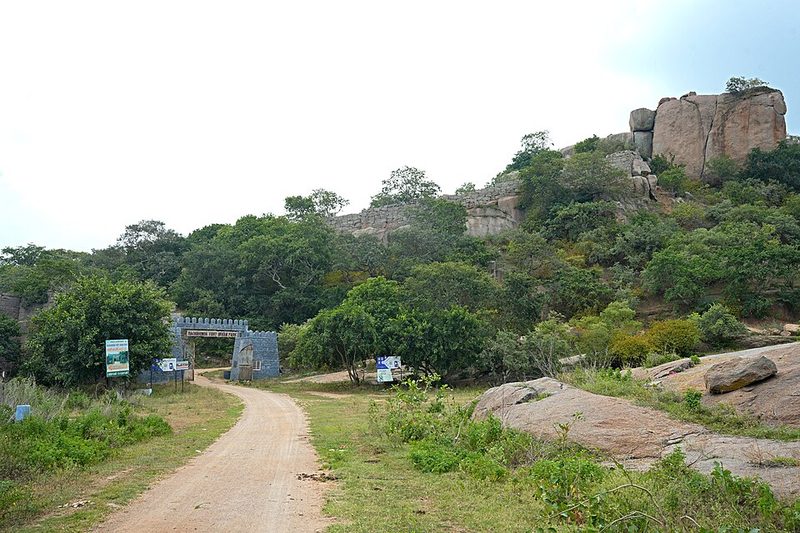
Rachakonda Fort
Rachakonda was the hill capital of the Recherla Velama chiefs. Inscriptions of Anapota Nayaka dated 10 August 1365 record its defences and the tank Anavota Samudra.
Also recorded as: Rachakonda · Rajakonda · Rajukonda · Rajacala · Rajadri · Rajagiri
- Period
- Recherla Velama, 14th–15th century
- Type
- Forts
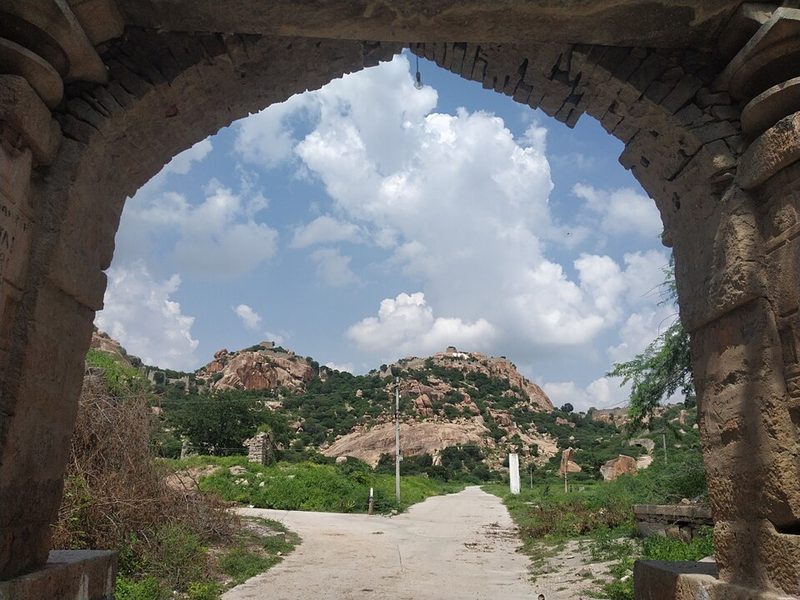
Devarakonda Fort
Devarakonda was the seat of the Devarakonda branch of the Recherla Velamas. A Bahmani army was defeated there in 1459.
Also recorded as: Devarakonda · Devarkonda · Devapuri
- Period
- Recherla Velama, 14th–15th century
- Type
- Forts
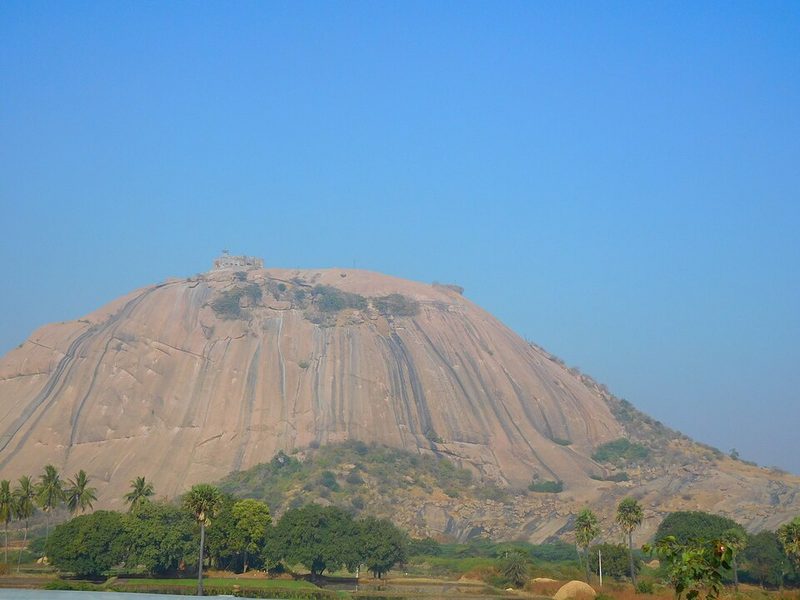
Bhongir Fort
Bhongir is a fort on an isolated rock. It became the eastern frontier post of the early Bahmani kingdom.
Also recorded as: Bhongir · Bhuvanagiri · Bhonagir · Tribhuvanagiri
- Period
- Recorded from the 14th century
- Type
- Forts
No sites match this search.