InscriptionsHow to read a Kakatiya inscription
Part 2 of 5
Letters and languages
The three languages, the shared Telugu-Kannada script, the old spellings and the numerals, with a table of letters.
About 8 min to read
Languages and scripts
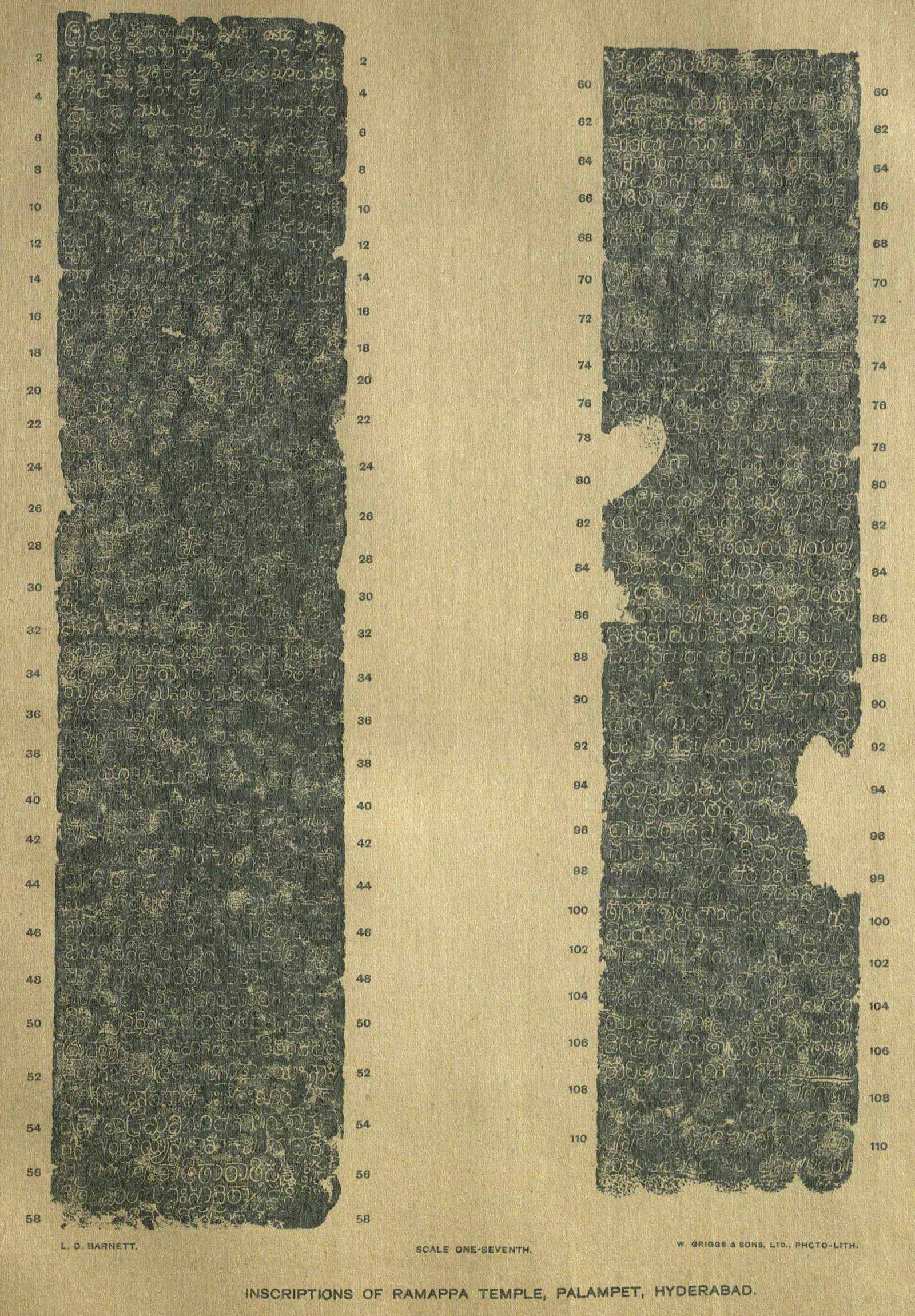
Estampage (ink impression)
This estampage shows lines 1 to 110 of the Sanskrit inscription of Recherla Rudra on a black basalt pillar at the Ramappa temple, Palampet. Barnett describes the letters as fairly good Telugu characters of the type usual in the period. The book prints the plate at one-seventh of the original size, with the caption "Inscriptions of Ramappa Temple, Palampet, Hyderabad".
Estampage published in L. D. Barnett (ed.), Inscriptions at Palampet and Uparpalli, Hyderabad Archaeological Series No. 3 (1919). Photo-lithograph by W. Griggs & Sons. G. Yazdani took the estampages in 1916. Plate: "Inscriptions of Ramappa Temple, Palampet, Hyderabad", scale one-seventh. · Public domain · This record in the database
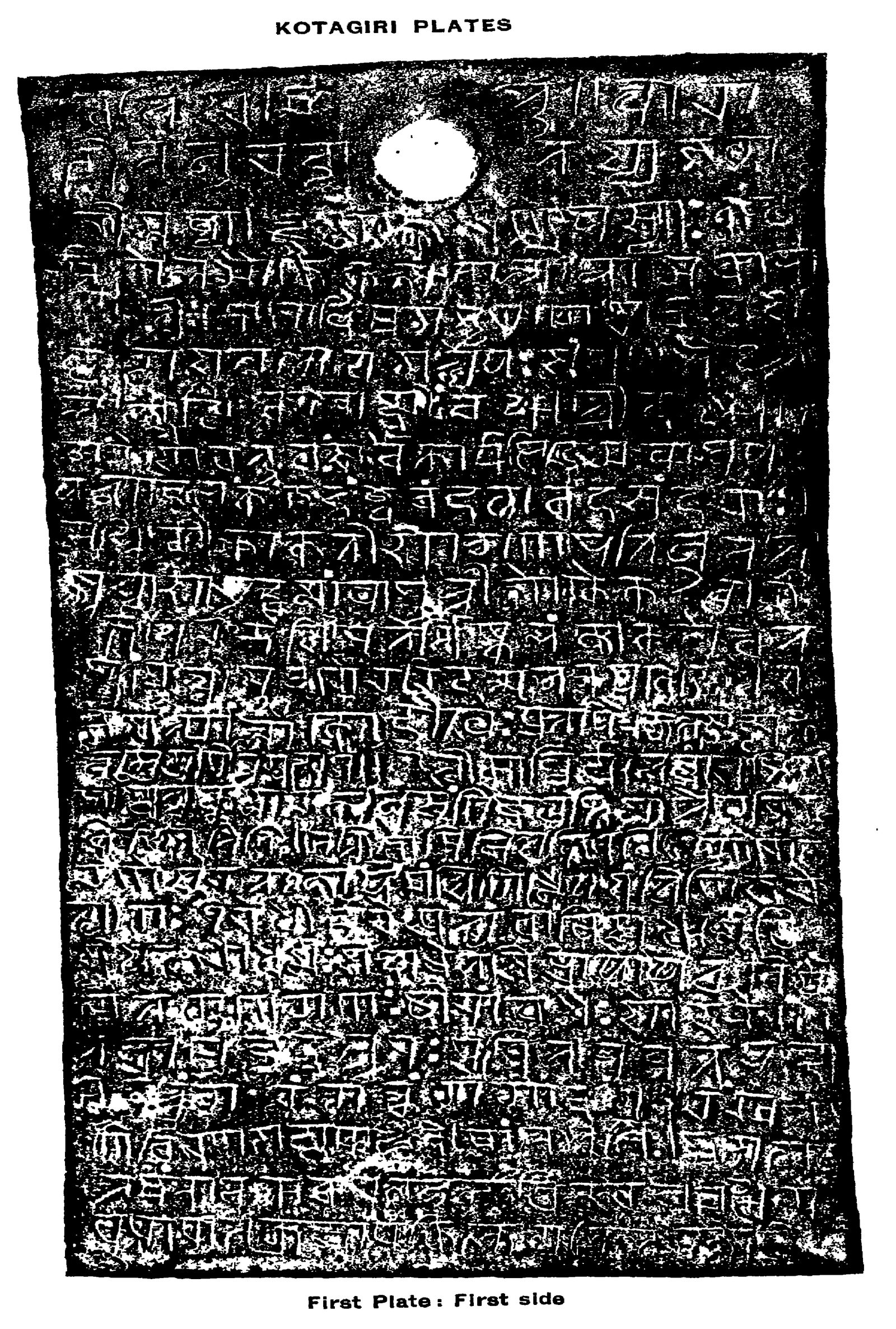
Estampage (ink impression)
The image shows the first side of the first of three copper plates found in a tank at Birkur in Bodhan taluk. The editors say that the letters largely resemble modern Devanagari. The white disc is the hole for the heavy metal hoop that held the three plates together. The book labels the plate "First Plate: First side".
Plate published in S. Hanumant Rao, revised by H. Krishna Sastri, The Kotagiri Plates of the Reign of the Kakatiya Queen Rudramamba, A.D. 1273, Hyderabad Archaeological Series No. 6 (1925). Plate: "Kotagiri Plates. First Plate: First side". · Public domain · This record in the database
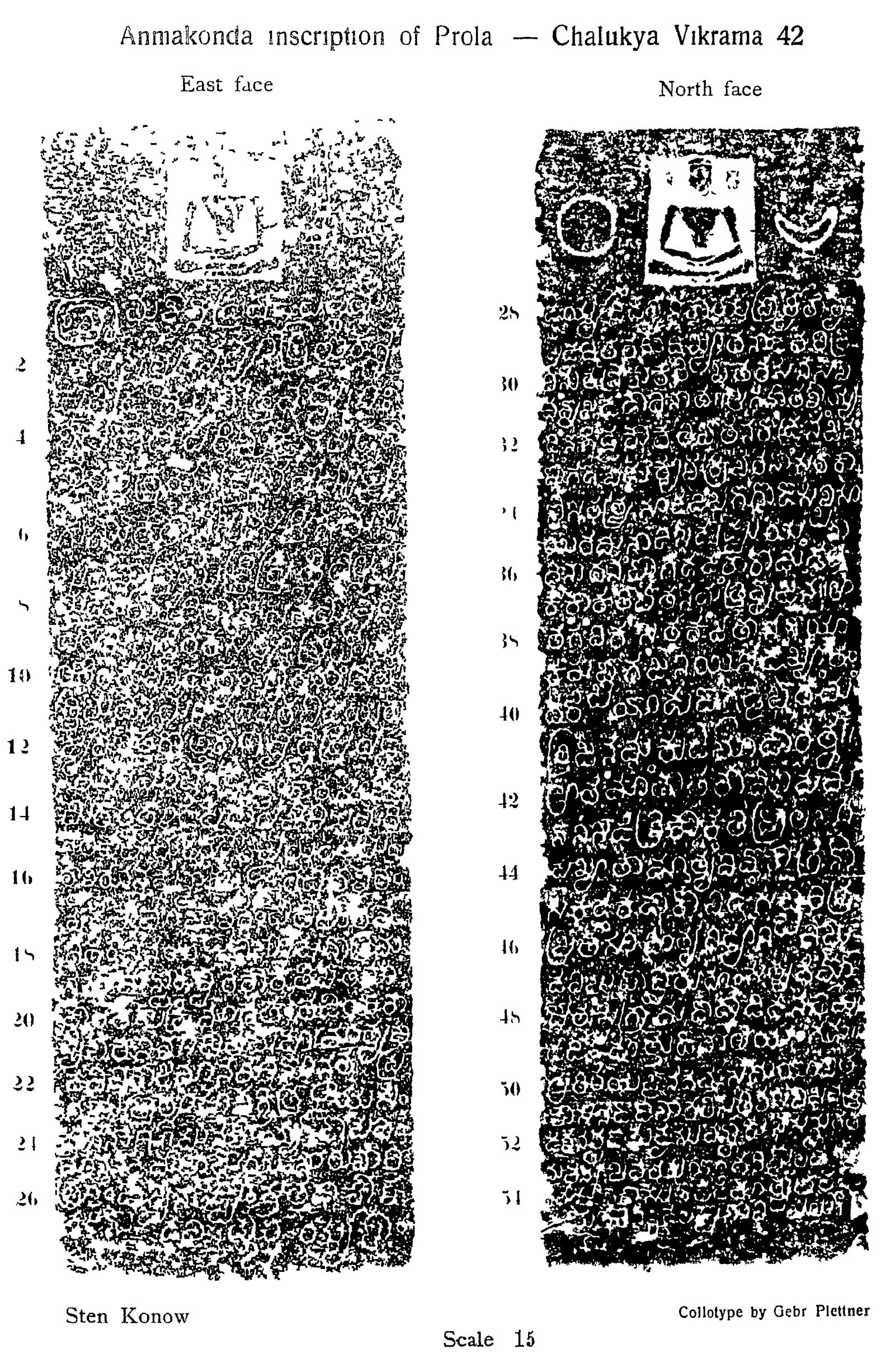
Estampage (ink impression)
This plate shows the east and north faces of the inscribed pillar in front of the Padmakshi temple at Hanamkonda. A seated Jaina ascetic is carved at the top of each face, and the north face also shows the sun and the moon. H. Krishna Sastri describes the letters as bold and clear Kanarese characters of the twelfth century.
Plate published in H. Krishna Sastri, "Anmakonda inscription of Prola: the Chalukya-Vikrama year 42", Epigraphia Indica Vol. IX (1907-08), pp. 256-263. Plate: "Anmakonda inscription of Prola, Chalukya Vikrama 42. East face, North face", signed Sten Konow, collotype by Gebr. Plettner. · Public domain · This record in the database
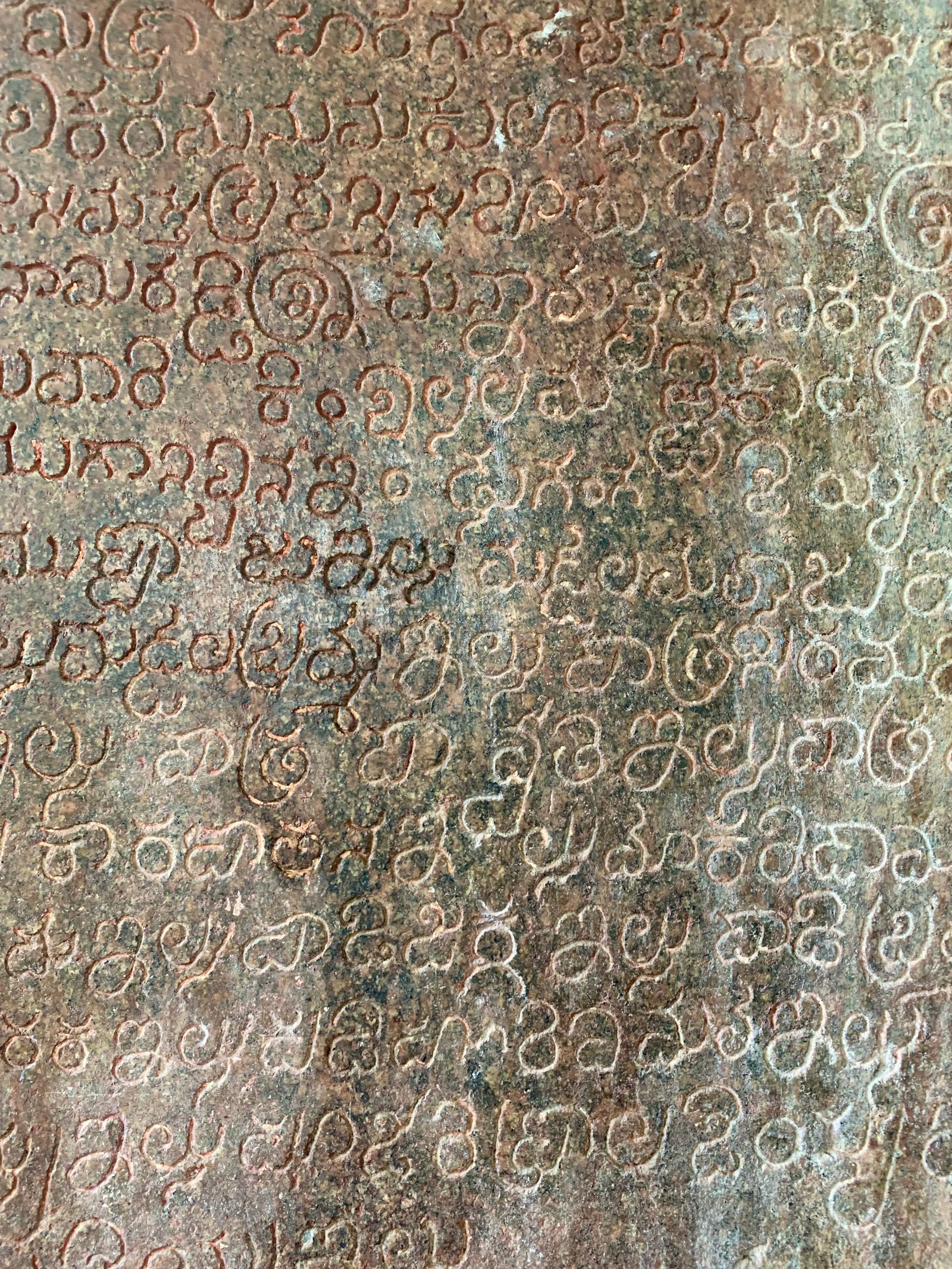
Photograph of the stone
This close view shows the rounded Telugu-Kannada letters of an inscription at the Nameshwara temple in Pillalamarri. Recherla chiefs who served the Kakatiya kings recorded gifts here in 1195 and 1202. The photograph does not show which record this is.
Kakatiya inscriptions use three languages: Sanskrit, Telugu and Kannada. Many records mix them. J. F. Fleet found that the Thousand Pillar inscription opens with eight lines of old Telugu and continues in Sanskrit verse.
Fleet 1882Epigraphia Telanganica 2023 · ET II p. 63, summarising Fleet, IA XI pp. 9-20 ↗ · Record ii-hanumakonda-3
| Record | Year | Letters or language | Source |
|---|---|---|---|
| Amudalapadu record | 660 CE | old Telugu-Kannada letters | Epigraphia Telanganica |
| Padmakshi pillar | 1117 | Kanarese characters of the twelfth century | H. Krishna Sastri |
| Guduru pillar | 1124 | Kannada on three sides, Telugu verses on the fourth | — |
| Thousand Pillar inscription | 1163 | old-Canarese letters | Fleet |
| Ramappa pillar | 1213 | fairly good Telugu characters of the period | Barnett |
| Karimnagar plates | 1246 | Telugu prose in Nagari letters | — |
| Kotagiri plates | 1273 | letters like modern Devanagari | the 1925 editors |
Sources: Parabrahma Sastry 1981 (Telugu)Epigraphia Telanganica 2023Epigraphia Indica IXFleet 1882Barnett 1919Kotagiri plates 1925 · pvs-sasana-sahityam pp. 116-118; ET I General Introduction p. 8 ↗; EI IX pp. 257-258 ↗; ET II p. 63 ↗; HAS 3 p. 1 ↗; HAS 6 p. 1 ↗; ET II p. 241 ↗
The early records of the family often use Kannada. The Guduru pillar of 1124 carries Kannada text on three sides and Telugu verses on the fourth side.
Parabrahma Sastry 1981 (Telugu) · pvs-sasana-sahityam pp. 116-118 · Record i-guduru
A. C. Burnell, writing in 1878, traced the Telugu and Kannada alphabets back to the southern form of the Asoka script. His table of derivation places that script at 250 BCE. G. Bühler called the script of the Asoka edicts the older Maurya alphabet. He thought that it was probably in use at least in the second half of the fourth century BCE and in the third century BCE.
Burnell 1878Bühler 1904 · Burnell 1878 p. 14 (table of derivation: the S. Asoka character, B.C. 250, through the Cave character to Telugu and Canarese); Bühler 1904 p. 32, item (2)
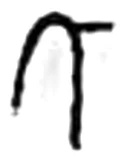
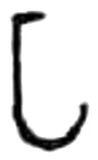
Ojha's Plate 4 gives the letters of ten inscriptions from the Bhattiprolu stupa in the Krishna districts, and dates them to the second century BCE. Bühler named their script the Dravidi of Bhattiprolu and dated it to about 200 BCE. He found it connected with the southern variety of the Maurya script, though it includes many very archaic signs.
Ojha 1918Bühler 1904 · Ojha 1918 Plate 4 heading (in Hindi): ten inscriptions of the Bhattiprolu stupa, second century BCE; Bühler 1904 p. 32, item (3), and pp. 38-39 (§ 17, the Kistna districts)
More detail
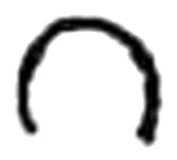
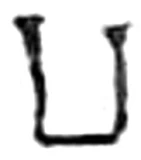
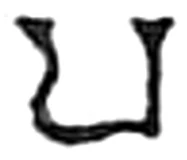
Burnell called the next stage the Cave character, after the cave inscriptions that use it. In his view it differs from the Asoka letters mainly by a preference for angular forms. Bühler dated the Nasik inscriptions of the Andhra (Satavahana) kings, written in these cave characters, to the second century CE. In the Krishna districts he found a still more ornamental alphabet in the Jaggayyapeta inscriptions of the time of the Ikshvaku king Sirivira Purisadatta. He dated it, with some doubt, to the third century CE.
Burnell 1878Bühler 1904Ojha 1918 · Burnell 1878 pp. 13-14; Bühler 1904 pp. 32-33 (items 10-15), p. 43 (the Nasik inscriptions; § 20, C, the Jaggayyapeta alphabet) and p. 66 (the Andhra inscriptions, the so-called cave-characters); Ojha 1918 Plate 9 heading (in Hindi): Nasik inscriptions of the Satavahana (Andhra) kings, second century CE
Bühler wrote that the script of the Kannada and Telugu districts appears first in the Kadamba inscriptions of the fifth and sixth centuries. In the east he placed its archaic stage in the Salankayana plates and in the plates of the first two Chalukya kings of Vengi. Burnell reproduced a grant of the Salankayana king Vijayanandivarman and called its letters the Vengi alphabet. Burnell referred these records to the fourth and fifth centuries, while Bühler called their date uncertain. Both scholars found these letters still close to the older cave characters.
Bühler 1904Burnell 1878 · Bühler 1904 p. 62, item (3), and pp. 65-66 (§ 29, A); Burnell 1878 p. 16 (the Vengi alphabet, Plates I and XXIV), p. 61 (fourth and fifth century), p. 135 (transcription of Plate XXIV: the Salankayana Vijayanandivarman, from Vengipura)
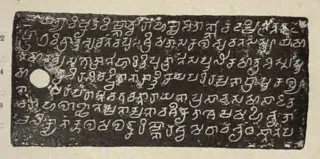
Bühler dated the archaic Chalukya inscriptions between 578 and about 660. In this period, he wrote, the letters of the western and the eastern records do not differ much. D. C. Sircar found that the Amudalapadu plates of 660 use the old Telugu-Kannada alphabet. In his view their letters closely resemble those of the published records of the Chalukya king Vikramaditya I, who issued the grant.
Bühler 1904Epigraphia Indica XXXII · Bühler 1904 p. 65 (§ 29, A); ei32 No. 21, p. 175, and the plate between pp. 182 and 183
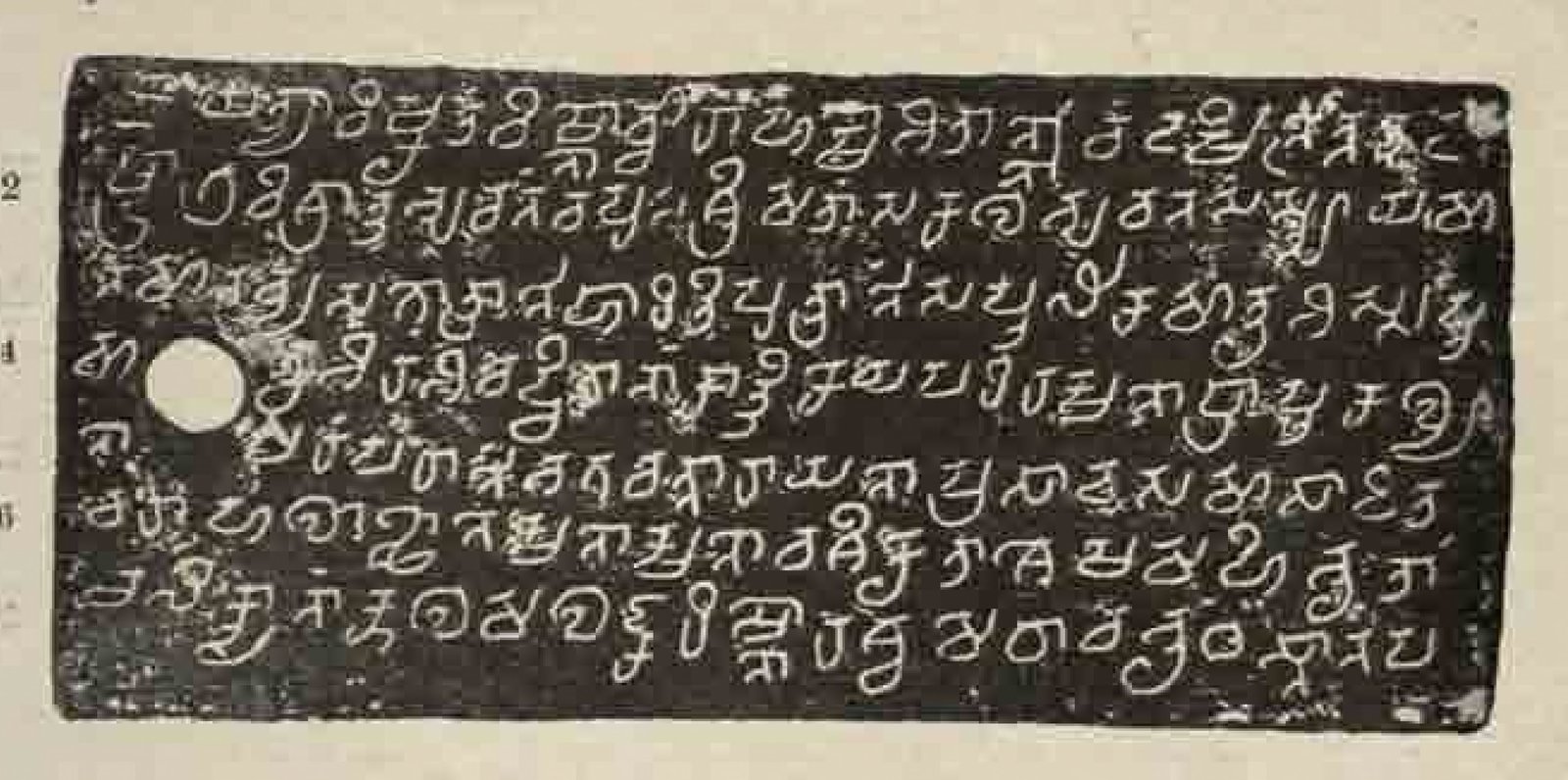
Plate from a published report
This plate reproduces the first of the four Amudalapadu plates, with lines 1 to 7 of the grant. D. C. Sircar, who edited the grant, describes its letters as old Telugu-Kannada. The grant of the Chalukya king Vikramaditya I dates from 660.
Bühler placed a middle stage of the script between about 650 and about 950, in the west and on the copper plates of the Chalukyas of Vengi. His last stage is the alphabet that Burnell called transitional and Fleet called Old-Kanarese. Bühler wrote that it differs little from the modern Kannada and Telugu scripts. In the east it first appears in the Vengi inscriptions of the eleventh century.
Bühler 1904 · Bühler 1904 pp. 67-68 (§ 29, B and C)
Telugu and Kannada once shared one script, which scholars call the Telugu-Kannada script. Epigraphia Telanganica names a record of 660 CE at Amudalapadu as the earliest Telugu inscription in Telangana. That record uses old Telugu-Kannada letters.
Epigraphia Telanganica 2023 · ET I General Introduction p. 8 ↗; epigraphia-telanganica Vol. I p. 8 (introduction: the earliest use of Telugu alphabets in Telangana), and Nos. 2-4, pp. 25-33 (the Amudalapadu records, Sanskrit in Telugu-Kannada script)
More detail
The Amudalapadu record is a set of four copper plates with the boar seal of the Chalukyas. D. C. Sircar, who edited it in 1957, writes that the plates came from an inhabitant of Amudalapadu in Alampur taluk. The grant itself gives the village of Iparumkal, near the king's camp at Marrura on the Krishna, in what is now Kollapur taluk. Epigraphia Telanganica dates the grant 13 April 660 in one entry and 30 April 660 in another.
Epigraphia Indica XXXIIEpigraphia Telanganica 2023 · ei32 No. 21, pp. 175-184 (find spot: Amudalapadu, Alampur taluk); epigraphia-telanganica Vol. I p. 8, No. 2 p. 25 (13 April 660, Kollapur taluka), No. 3 pp. 26-32 (30 April 660, Amidelpadu near Alampur)
The Department of Heritage, Telangana, records an early Telugu label inscription at Keesaragutta, read as Thulachuvanru, on top of a rock-cut cave. The department dates it to the 4th or 5th century from the shape of its letters. The label is a single word. The Amudalapadu record is in Sanskrit, so the two claims differ: one concerns the Telugu language and the other the Telugu letters.
Department of Heritage, Telangana: KeesaraguttaEpigraphia Telanganica 2023 · telangana-heritage-keesaragutta, monument page, Internet Archive copy of 31 July 2022 (label inscription Thulachuvanru, 4th-5th century by palaeography); epigraphia-telanganica Vol. I p. 8 and Nos. 2-4, pp. 25-33
The Department of Archaeology and Museums of Andhra Pradesh, which excavated Keesaragutta, records several label inscriptions there in the early archaic Telugu-Kannada script, and some in Nagari. Its annual report for 1978-79 dates them to the 5th-6th and 7th centuries. The report does not quote their words.
A.P. Archaeology Annual Report 1978-79 · ap-ar-1978-79 p. 27 (epigraphy), pp. 13-14 (excavation)
As reported by Sakshi in 2022, the historians Sriramoju Haragopal and E. Sivanagi Reddy date the Thulachuvanru label to about 430, under the Vishnukundin king Madhavavarma II. They describe its first two letters as close to Brahmi. The same report notes that Andhra Pradesh textbooks teach the Kalamalla inscription of 575 as the first Telugu inscription.
Within that script Burnell saw a regional difference. The later inscriptions of the Western Chalukyas slope to the right. The letters of the Eastern Chalukyas are remarkably square and upright. Burnell thought that this difference shows where an inscription came from, after about 650.
Burnell 1878 · Burnell 1878 p. 20
G. H. Ojha, writing in 1918, found the same script in the records of the Pallavas, Kadambas, Western and Eastern Chalukyas, Rashtrakutas, Gangas and Kakatiyas. He wrote that such records number in the thousands. In his view some letters took their modern Telugu and Kannada shapes by about the eleventh century, and most letters by about the fourteenth.
Ojha 1918 · Ojha 1918 p. 84 (in Hindi)
Parabrahma Sastry writes that the common Telugu-Kannada script had divided into two separate scripts by about 1150. He adds that Kannada inscriptions are rare in the Telugu country after that time.
Parabrahma Sastry 1981 (Telugu) · pvs-sasana-sahityam p. 112
Burnell, writing in 1878, placed the split later. He could find no distinction between the Kannada hand and the Old Telugu hand at the end of the thirteenth century. In his view the two alphabets drew apart only after 1300.
Burnell 1878 · Burnell 1878 pp. 25, 29
H. Krishna Sastri described the Padmakshi pillar of 1117 as written in bold and clear Kanarese characters of the twelfth century. Kanarese is an older English name for Kannada.
Epigraphia Indica IX · EI IX pp. 257-258 ↗ · Record ii-anmakonda
Editors describe the letters of each record. Fleet called the letters of the Thousand Pillar inscription of 1163 old-Canarese, meaning old Kannada. L. D. Barnett called the letters of the Ramappa pillar of 1213 fairly good Telugu characters of the period.
Fleet 1882Barnett 1919Epigraphia Telanganica 2023 · ET II p. 63 ↗; HAS 3 p. 1 ↗ · Record ii-hanumakonda-3 · Record ii-palampet-warangal
E. Hultzsch called the alphabet of the Motupalli pillar of 1244-45 Telugu. He noted that some letters, such as the dentals, the linguals, r and v, are hard to tell apart without the context.
Epigraphia Indica XII · EI XII p. 188 ↗ · Record ii-motupalli-bapatla
Parabrahma Sastry states that students of epigraphy can easily tell thirteenth-century Telugu letters from the Kannada letters of the same period. He reads the letters on Kakatiya gold coins as Telugu, not Kannada.
Parabrahma Sastry 1975 (coins) · pvs-coins-1975 p. 9
Some copper plates use a third script, Nagari. The 1925 editors of the Kotagiri plates of 1273 wrote that the letters resemble modern Devanagari in large measure. The Karimnagar plates of 1246 write even their Telugu prose in Nagari letters.
Kotagiri plates 1925Epigraphia Telanganica 2023 · HAS 6 p. 1 ↗; ET II p. 241 ↗ · Record ii-karimnagar-3
The old spelling differs from modern Telugu spelling in several ways. Engravers usually doubled a consonant that follows the letter r. Barnett notes this habit on the Ramappa pillar, and Parabrahma Sastry notes it in Telugu records.
Barnett 1919Parabrahma Sastry 1981 (Telugu) · HAS 3 p. 1 ↗; pvs-sasana-sahityam p. 112
Parabrahma Sastry lists Telugu spellings such as udiyince for udayince and varushamu for varshamu. Barnett found hardly any difference between the long and the short vowel i on the Ramappa pillar. The same engraver sometimes wrote b in place of v.
Parabrahma Sastry 1981 (Telugu)Barnett 1919 · pvs-sasana-sahityam p. 112; HAS 3 p. 1 ↗
The Kotagiri engraver wrote the vowel ri as ru almost throughout, according to the 1925 editors. Readers of the plates therefore meet spellings such as pruthvi for prithvi.
The small angled mark on top of many Telugu and Kannada consonants has a long history. Burnell traced it to a short cross-stroke that early engravers cut at the top of a downward line. The stroke marked the end of the line clearly. Telugu calls this mark talakattu.
Burnell 1878 · Burnell 1878 p. 17 and note 1
Burnell rejected the view of the Telugu grammars that the mark is a form of the vowel a. Two other letter shapes help to date a record. The modern u sign, a hook to the right of the consonant, appears in the eleventh century and prevails in the twelfth. Older records write u below the consonant.
Burnell 1878 · Burnell 1878 pp. 17, 27
An r before another consonant was written above that consonant until about 1300, according to Burnell. After 1350 the r is always written to the right of the consonant.
Burnell 1878 · Burnell 1878 p. 31
Inscriptions also use signs for numbers and units. Parabrahma Sastry shows that a vertical stroke can stand for a gadyana, a gold coin. Barnett explains a sign for the land measure martu in the Uparpalli inscription.
Parabrahma Sastry 1975 (coins)Barnett 1919 · pvs-coins-1975 p. 12; HAS 3 p. 17, note 1 ↗ · Record ii-upparapalli
Numerals with place value came into common use about 1300, according to Burnell. In South Indian writing the zero is always a small circle. Burnell's earliest examples of these numerals were on the rims of the plates of a grant of 1087.
Burnell 1878 · Burnell 1878 p. 69
The Thousand Pillar inscription of 1163 already writes its Saka year in numerals. Line 6 reads Saka-varshamulu 1084 in J. F. Fleet's edition, and Fleet's plate shows the four numerals. Burnell noticed that in Telugu inscriptions the numeral 5 sometimes lacks its middle stroke, and the numeral 3 is generally upright.
Fleet 1882Burnell 1878 · IA XI p. 12, text line 6, and Plate I; Burnell 1878 p. 69 · Record ii-hanumakonda-3
Some poets wrote numbers as words. The poet of the Ramappa pillar gave the Saka year as earth, moon, worlds and arrows. Barnett read these four words as the year 1135.
Barnett 1919 · HAS 3 p. 11, verse 47 ↗ · Record ii-palampet-warangal
Burnell found that from 600 to 1300, nine out of ten dated inscriptions give the date in such words. In this system the units come first, then the tens, the hundreds and the thousands. Burnell's example rishi-naga-kha-indu means 7, 8, 0 and 1, which is the year 1087.
Burnell 1878 · Burnell 1878 pp. 77-78
The Ramappa text itself reads sara-loka-indu-bhu, which means arrows, worlds, moon and earth. These words stand for 5, 3, 1 and 1. Read from the last word back, they give 1135. Barnett's English gives the four words in the opposite order.
Barnett 1919Burnell 1878 · HAS 3 text lines 182-183, and p. 11, verse 47 ↗; Burnell 1878 pp. 77-78 · Record ii-palampet-warangal
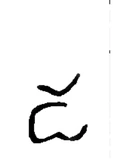
The pictures on this page show these differences. Compare the rounded Telugu letters of the Ramappa pillar, the Kannada letters of the Padmakshi pillar and the Nagari letters of the Kotagiri plates.
Letters through the centuries
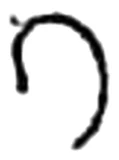
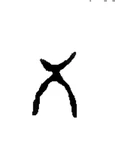
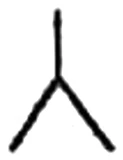
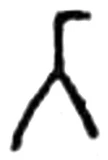
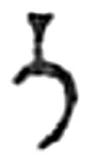
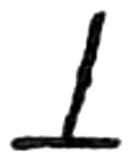
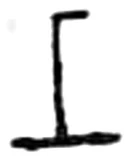
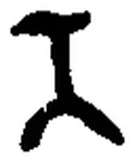
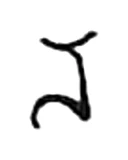
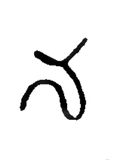
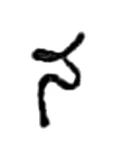
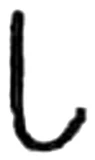
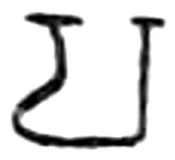
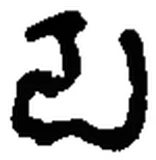
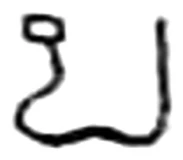
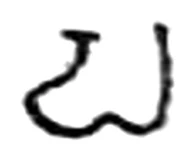
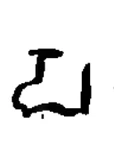
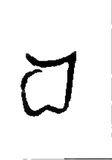
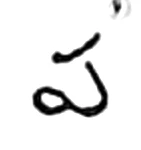
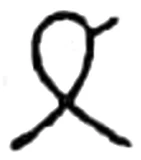
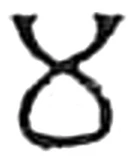
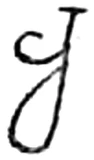
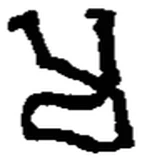
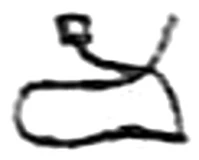
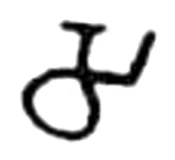
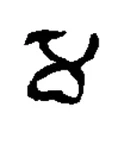
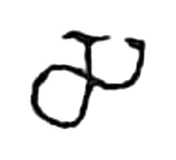
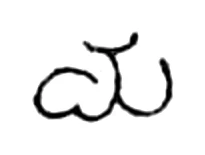
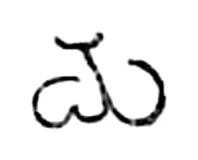
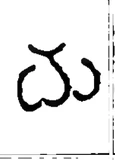
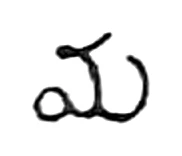
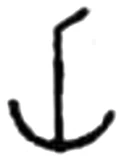
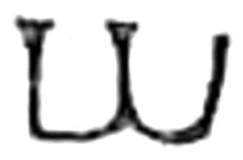
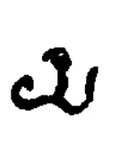
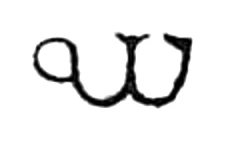
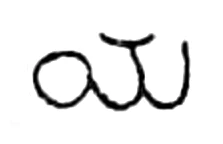
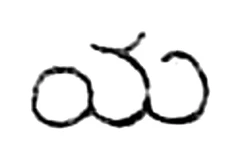
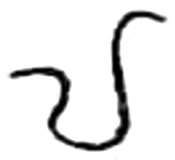
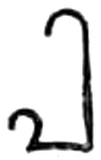
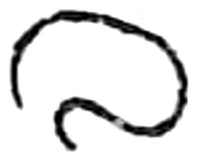
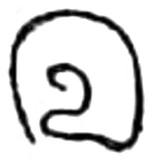
This table follows thirteen common letters from the Asokan Brahmi of the 3rd century BCE to modern Telugu. Each letter is cut from a printed alphabet plate in Ojha (1918) or Burnell (1878).
Four letters at a glance
Each row follows one letter across fifteen plates, from the Asokan Brahmi of the 3rd century BCE to the Telugu alphabet of 1918. Select a letter to open its plate on archive.org.
| Brahmi and its southern forms | The Telugu-Kannada script and Telugu | ||||||||||||||
|---|---|---|---|---|---|---|---|---|---|---|---|---|---|---|---|
| a | 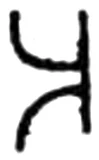 | 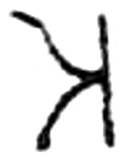 | 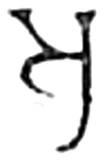 | 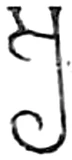 | 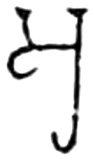 |  |  | 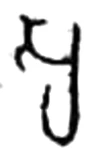 | 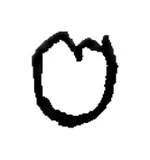 | 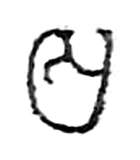 | 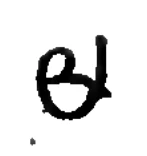 | 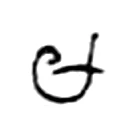 | 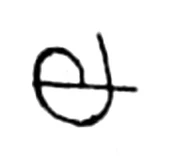 | 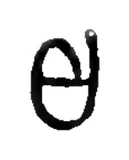 | 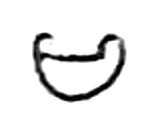 |
| ka | 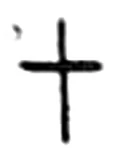 | 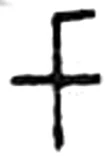 |  |  | 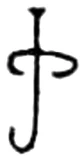 |  | 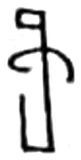 | 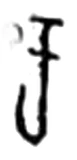 | 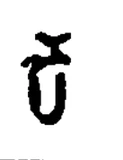 | 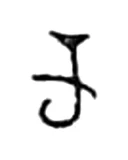 | 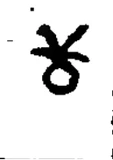 | 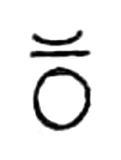 | 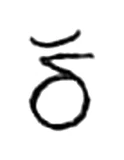 |  |  |
| ra |  |  | 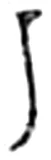 | 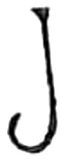 | 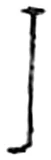 |  | 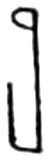 | 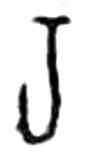 | 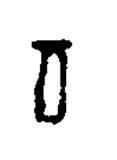 |  | 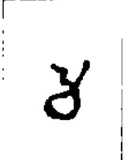 | 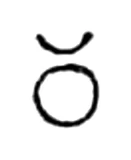 | 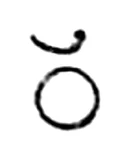 | 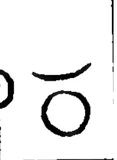 | 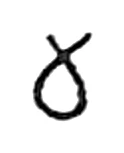 |
| va |  | 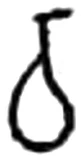 |  | 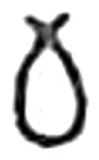 | 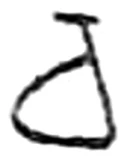 | 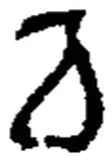 | 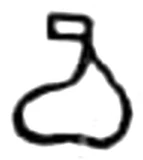 | 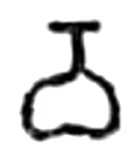 | 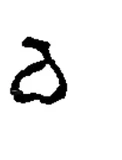 | 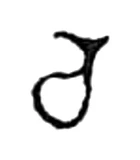 | 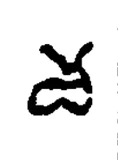 | 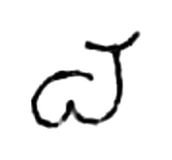 | 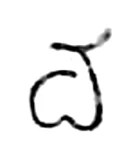 | 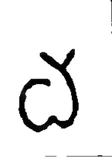 | 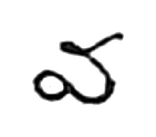 |
| 3rd century BCE | 2nd century BCE | 2nd century CE | about the 3rd century | early 4th century | 4th-5th century | 5th century | 578 | about 680 | 10th century | 1134 | 1213 | 1337 | 1356 | 1918 | |
Brahmi and its southern forms
- Asokan Brahmi3rd century BCEOjha 1918, Plate 1
- Bhattiprolu2nd century BCEOjha 1918, Plate 4
- Satavahana2nd century CEOjha 1918, Plate 9
- Ikshvaku periodabout the 3rd centuryOjha 1918, Plate 12
- Pallava, Mayidavoluearly 4th centuryOjha 1918, Plate 13
- Salankayana, Vengi4th-5th centuryBurnell 1878, Plate I, left half
- Keesaragutta labelsdates differ
- Pallava, Uruvupalli5th centuryOjha 1918, Plate 43
The Telugu-Kannada script and Telugu
- Early Chalukya578Ojha 1918, Plate 45, upper section
 Amudalapadu plates660see the plate
- Eastern Chalukyaabout 680Burnell 1878, Plate V, left half
- Eastern Chalukya10th centuryOjha 1918, Plate 48
- Eastern Chalukya, transitional1134Burnell 1878, Plate VIII, left half
- Kakatiya1213Ojha 1918, Plate 50
- After the Kakatiyas1337Ojha 1918, Plate 51
- Old Telugu1356Burnell 1878, Plate IX, left half
- Modern Telugu1918Ojha 1918, Plate 80
- అTelugu, modern fonttyped text, not from a plate
Brahmi and its southern forms
- Asokan Brahmi3rd century BCEOjha 1918, Plate 1
- Bhattiprolu2nd century BCEOjha 1918, Plate 4
- Satavahana2nd century CEOjha 1918, Plate 9
- Ikshvaku periodabout the 3rd centuryOjha 1918, Plate 12
- Pallava, Mayidavoluearly 4th centuryOjha 1918, Plate 13
- Salankayana, Vengi4th-5th centuryBurnell 1878, Plate I, left half
- Keesaragutta labelsdates differ
- Pallava, Uruvupalli5th centuryOjha 1918, Plate 43
The Telugu-Kannada script and Telugu
- Early Chalukya578Ojha 1918, Plate 45, upper section
- Amudalapadu plates660see the plate
- Eastern Chalukyaabout 680Burnell 1878, Plate V, left half
- Eastern Chalukya10th centuryOjha 1918, Plate 48
- Eastern Chalukya, transitional1134Burnell 1878, Plate VIII, left half
- Kakatiya1213Ojha 1918, Plate 50
- After the Kakatiyas1337Ojha 1918, Plate 51
- Old Telugu1356Burnell 1878, Plate IX, left half
- Modern Telugu1918Ojha 1918, Plate 80
- కTelugu, modern fonttyped text, not from a plate
Brahmi and its southern forms
 Asokan Brahmi3rd century BCEOjha 1918, Plate 1
 Bhattiprolu2nd century BCEOjha 1918, Plate 4
 Satavahana2nd century CEOjha 1918, Plate 9
 Ikshvaku periodabout the 3rd centuryOjha 1918, Plate 12
 Pallava, Mayidavoluearly 4th centuryOjha 1918, Plate 13
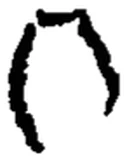 Salankayana, Vengi4th-5th centuryBurnell 1878, Plate I, left half
- Keesaragutta labelsdates differ
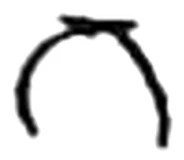 Pallava, Uruvupalli5th centuryOjha 1918, Plate 43
The Telugu-Kannada script and Telugu
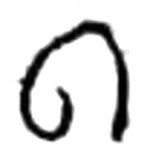 Early Chalukya578Ojha 1918, Plate 45, upper section
- Amudalapadu plates660see the plate
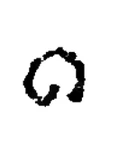 Eastern Chalukyaabout 680Burnell 1878, Plate V, left half
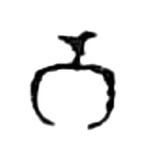 Eastern Chalukya10th centuryOjha 1918, Plate 48
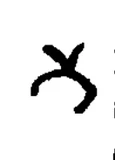 Eastern Chalukya, transitional1134Burnell 1878, Plate VIII, left half
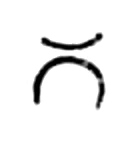 Kakatiya1213Ojha 1918, Plate 50
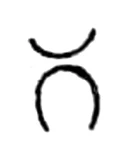 After the Kakatiyas1337Ojha 1918, Plate 51
 Old Telugu1356Burnell 1878, Plate IX, left half
- — no letter cut from this plateModern Telugu1918
- గTelugu, modern fonttyped text, not from a plate
Brahmi and its southern forms
 Asokan Brahmi3rd century BCEOjha 1918, Plate 1
 Bhattiprolu2nd century BCEOjha 1918, Plate 4
 Satavahana2nd century CEOjha 1918, Plate 9
 Ikshvaku periodabout the 3rd centuryOjha 1918, Plate 12
 Pallava, Mayidavoluearly 4th centuryOjha 1918, Plate 13
- — no letter cut from this plateSalankayana, Vengi4th-5th century
- Keesaragutta labelsdates differ
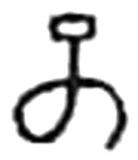 Pallava, Uruvupalli5th centuryOjha 1918, Plate 43
The Telugu-Kannada script and Telugu
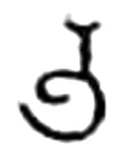 Early Chalukya578Ojha 1918, Plate 45, upper section
- Amudalapadu plates660see the plate
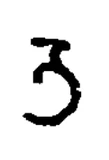 Eastern Chalukyaabout 680Burnell 1878, Plate V, left half
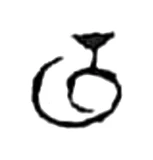 Eastern Chalukya10th centuryOjha 1918, Plate 48
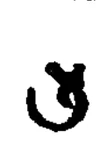 Eastern Chalukya, transitional1134Burnell 1878, Plate VIII, left half
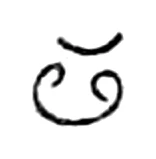 Kakatiya1213Ojha 1918, Plate 50
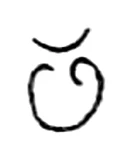 After the Kakatiyas1337Ojha 1918, Plate 51
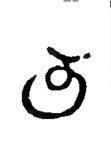 Old Telugu1356Burnell 1878, Plate IX, left half
 Modern Telugu1918Ojha 1918, Plate 80
- తTelugu, modern fonttyped text, not from a plate
Brahmi and its southern forms
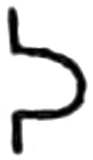 Asokan Brahmi3rd century BCEOjha 1918, Plate 1
 Bhattiprolu2nd century BCEOjha 1918, Plate 4
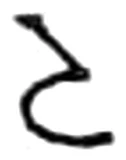 Satavahana2nd century CEOjha 1918, Plate 9
 Ikshvaku periodabout the 3rd centuryOjha 1918, Plate 12
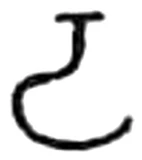 Pallava, Mayidavoluearly 4th centuryOjha 1918, Plate 13
 Salankayana, Vengi4th-5th centuryBurnell 1878, Plate I, right half
- Keesaragutta labelsdates differ
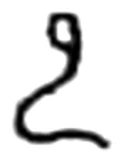 Pallava, Uruvupalli5th centuryOjha 1918, Plate 43
The Telugu-Kannada script and Telugu
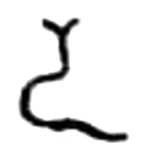 Early Chalukya578Ojha 1918, Plate 45, upper section
- Amudalapadu plates660see the plate
- — no letter cut from this plateEastern Chalukyaabout 680
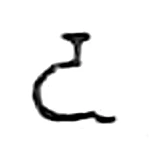 Eastern Chalukya10th centuryOjha 1918, Plate 48
- — no letter cut from this plateEastern Chalukya, transitional1134
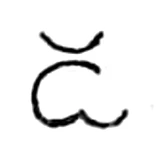 Kakatiya1213Ojha 1918, Plate 50
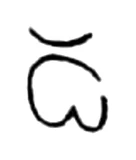 After the Kakatiyas1337Ojha 1918, Plate 51
 Old Telugu1356Burnell 1878, Plate IX, left half
 Modern Telugu1918Ojha 1918, Plate 80
- దTelugu, modern fonttyped text, not from a plate
Brahmi and its southern forms
 Asokan Brahmi3rd century BCEOjha 1918, Plate 1
 Bhattiprolu2nd century BCEOjha 1918, Plate 4
 Satavahana2nd century CEOjha 1918, Plate 9
 Ikshvaku periodabout the 3rd centuryOjha 1918, Plate 12
- — no letter cut from this platePallava, Mayidavoluearly 4th century
 Salankayana, Vengi4th-5th centuryBurnell 1878, Plate I, right half
- Keesaragutta labelsdates differ
 Pallava, Uruvupalli5th centuryOjha 1918, Plate 43
The Telugu-Kannada script and Telugu
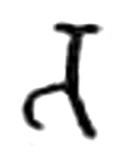 Early Chalukya578Ojha 1918, Plate 45, upper section
- Amudalapadu plates660see the plate
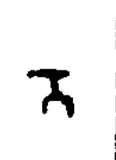 Eastern Chalukyaabout 680Burnell 1878, Plate V, right half
 Eastern Chalukya10th centuryOjha 1918, Plate 48
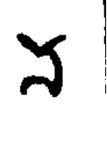 Eastern Chalukya, transitional1134Burnell 1878, Plate VIII, right half
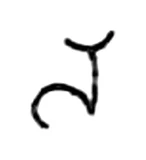 Kakatiya1213Ojha 1918, Plate 50
 After the Kakatiyas1337Ojha 1918, Plate 51
 Old Telugu1356Burnell 1878, Plate IX, left half
 Modern Telugu1918Ojha 1918, Plate 80
- నTelugu, modern fonttyped text, not from a plate
Brahmi and its southern forms
 Asokan Brahmi3rd century BCEOjha 1918, Plate 1
 Bhattiprolu2nd century BCEOjha 1918, Plate 4
 Satavahana2nd century CEOjha 1918, Plate 9
 Ikshvaku periodabout the 3rd centuryOjha 1918, Plate 12
 Pallava, Mayidavoluearly 4th centuryOjha 1918, Plate 13
 Salankayana, Vengi4th-5th centuryBurnell 1878, Plate I, right half
- Keesaragutta labelsdates differ
 Pallava, Uruvupalli5th centuryOjha 1918, Plate 43
The Telugu-Kannada script and Telugu
 Early Chalukya578Ojha 1918, Plate 45, upper section
- Amudalapadu plates660see the plate
 Eastern Chalukyaabout 680Burnell 1878, Plate V, right half
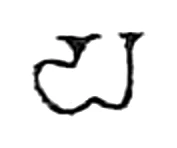 Eastern Chalukya10th centuryOjha 1918, Plate 48
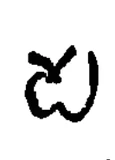 Eastern Chalukya, transitional1134Burnell 1878, Plate VIII, right half
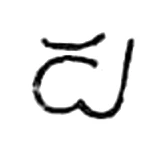 Kakatiya1213Ojha 1918, Plate 50
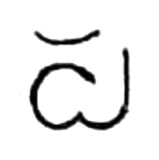 After the Kakatiyas1337Ojha 1918, Plate 51
 Old Telugu1356Burnell 1878, Plate IX, left half
 Modern Telugu1918Ojha 1918, Plate 80
- పTelugu, modern fonttyped text, not from a plate
Brahmi and its southern forms
 Asokan Brahmi3rd century BCEOjha 1918, Plate 1
 Bhattiprolu2nd century BCEOjha 1918, Plate 4
 Satavahana2nd century CEOjha 1918, Plate 9
 Ikshvaku periodabout the 3rd centuryOjha 1918, Plate 12
 Pallava, Mayidavoluearly 4th centuryOjha 1918, Plate 13
 Salankayana, Vengi4th-5th centuryBurnell 1878, Plate I, right half
- Keesaragutta labelsdates differ
 Pallava, Uruvupalli5th centuryOjha 1918, Plate 43
The Telugu-Kannada script and Telugu
 Early Chalukya578Ojha 1918, Plate 45, upper section
- Amudalapadu plates660see the plate
 Eastern Chalukyaabout 680Burnell 1878, Plate V, right half
 Eastern Chalukya10th centuryOjha 1918, Plate 48
- — no letter cut from this plateEastern Chalukya, transitional1134
 Kakatiya1213Ojha 1918, Plate 50
 After the Kakatiyas1337Ojha 1918, Plate 51
 Old Telugu1356Burnell 1878, Plate IX, left half
 Modern Telugu1918Ojha 1918, Plate 80
- మTelugu, modern fonttyped text, not from a plate
Brahmi and its southern forms
 Asokan Brahmi3rd century BCEOjha 1918, Plate 1
 Bhattiprolu2nd century BCEOjha 1918, Plate 4
 Satavahana2nd century CEOjha 1918, Plate 9
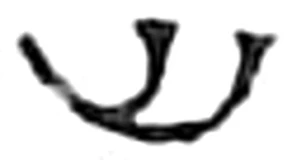 Ikshvaku periodabout the 3rd centuryOjha 1918, Plate 12
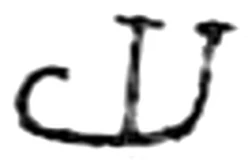 Pallava, Mayidavoluearly 4th centuryOjha 1918, Plate 13
 Salankayana, Vengi4th-5th centuryBurnell 1878, Plate I, right half
- Keesaragutta labelsdates differ
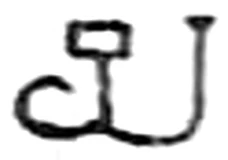 Pallava, Uruvupalli5th centuryOjha 1918, Plate 43
The Telugu-Kannada script and Telugu
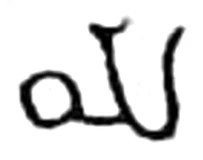 Early Chalukya578Ojha 1918, Plate 45, upper section
- Amudalapadu plates660see the plate
 Eastern Chalukyaabout 680Burnell 1878, Plate V, right half
 Eastern Chalukya10th centuryOjha 1918, Plate 48
- — no letter cut from this plateEastern Chalukya, transitional1134
 Kakatiya1213Ojha 1918, Plate 50
 After the Kakatiyas1337Ojha 1918, Plate 51
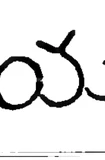 Old Telugu1356Burnell 1878, Plate IX, left half
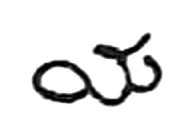 Modern Telugu1918Ojha 1918, Plate 80
- యTelugu, modern fonttyped text, not from a plate
Brahmi and its southern forms
- Asokan Brahmi3rd century BCEOjha 1918, Plate 1
- Bhattiprolu2nd century BCEOjha 1918, Plate 4
- Satavahana2nd century CEOjha 1918, Plate 9
- Ikshvaku periodabout the 3rd centuryOjha 1918, Plate 12
- Pallava, Mayidavoluearly 4th centuryOjha 1918, Plate 13
- Salankayana, Vengi4th-5th centuryBurnell 1878, Plate I, right half
- Keesaragutta labelsdates differ
- Pallava, Uruvupalli5th centuryOjha 1918, Plate 43
The Telugu-Kannada script and Telugu
- Early Chalukya578Ojha 1918, Plate 45, upper section
- Amudalapadu plates660see the plate
- Eastern Chalukyaabout 680Burnell 1878, Plate V, right half
- Eastern Chalukya10th centuryOjha 1918, Plate 48
- Eastern Chalukya, transitional1134Burnell 1878, Plate VIII, right half
- Kakatiya1213Ojha 1918, Plate 50
- After the Kakatiyas1337Ojha 1918, Plate 51
- Old Telugu1356Burnell 1878, Plate IX, right half
- Modern Telugu1918Ojha 1918, Plate 80
- రTelugu, modern fonttyped text, not from a plate
Brahmi and its southern forms
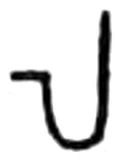 Asokan Brahmi3rd century BCEOjha 1918, Plate 1
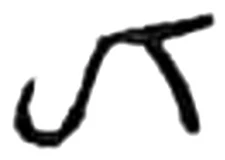 Bhattiprolu2nd century BCEOjha 1918, Plate 4
 Satavahana2nd century CEOjha 1918, Plate 9
 Ikshvaku periodabout the 3rd centuryOjha 1918, Plate 12
 Pallava, Mayidavoluearly 4th centuryOjha 1918, Plate 13
 Salankayana, Vengi4th-5th centuryBurnell 1878, Plate I, right half
- Keesaragutta labelsdates differ
 Pallava, Uruvupalli5th centuryOjha 1918, Plate 43
The Telugu-Kannada script and Telugu
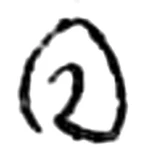 Early Chalukya578Ojha 1918, Plate 45, upper section
- Amudalapadu plates660see the plate
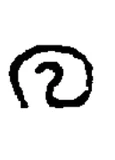 Eastern Chalukyaabout 680Burnell 1878, Plate V, right half
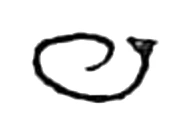 Eastern Chalukya10th centuryOjha 1918, Plate 48
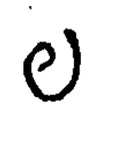 Eastern Chalukya, transitional1134Burnell 1878, Plate VIII, right half
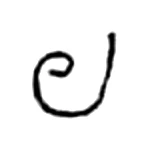 Kakatiya1213Ojha 1918, Plate 50
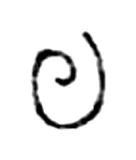 After the Kakatiyas1337Ojha 1918, Plate 51
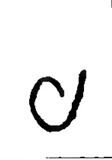 Old Telugu1356Burnell 1878, Plate IX, right half
 Modern Telugu1918Ojha 1918, Plate 80
- లTelugu, modern fonttyped text, not from a plate
Brahmi and its southern forms
- Asokan Brahmi3rd century BCEOjha 1918, Plate 1
- Bhattiprolu2nd century BCEOjha 1918, Plate 4
- Satavahana2nd century CEOjha 1918, Plate 9
- Ikshvaku periodabout the 3rd centuryOjha 1918, Plate 12
- Pallava, Mayidavoluearly 4th centuryOjha 1918, Plate 13
- Salankayana, Vengi4th-5th centuryBurnell 1878, Plate I, right half
- Keesaragutta labelsdates differ
- Pallava, Uruvupalli5th centuryOjha 1918, Plate 43
The Telugu-Kannada script and Telugu
- Early Chalukya578Ojha 1918, Plate 45, upper section
- Amudalapadu plates660see the plate
- Eastern Chalukyaabout 680Burnell 1878, Plate V, right half
- Eastern Chalukya10th centuryOjha 1918, Plate 48
- Eastern Chalukya, transitional1134Burnell 1878, Plate VIII, right half
- Kakatiya1213Ojha 1918, Plate 50
- After the Kakatiyas1337Ojha 1918, Plate 51
- Old Telugu1356Burnell 1878, Plate IX, right half
- Modern Telugu1918Ojha 1918, Plate 80
- వTelugu, modern fonttyped text, not from a plate
Brahmi and its southern forms
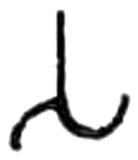 Asokan Brahmi3rd century BCEOjha 1918, Plate 1
- — no letter cut from this plateBhattiprolu2nd century BCE
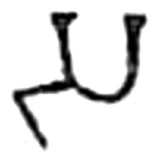 Satavahana2nd century CEOjha 1918, Plate 9
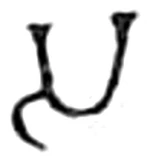 Ikshvaku periodabout the 3rd centuryOjha 1918, Plate 12
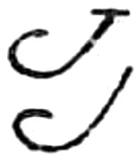 Pallava, Mayidavoluearly 4th centuryOjha 1918, Plate 13
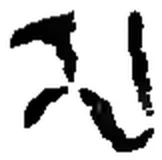 Salankayana, Vengi4th-5th centuryBurnell 1878, Plate I, right half
- Keesaragutta labelsdates differ
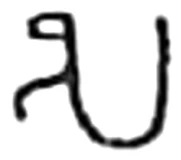 Pallava, Uruvupalli5th centuryOjha 1918, Plate 43
The Telugu-Kannada script and Telugu
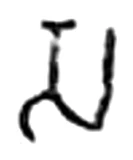 Early Chalukya578Ojha 1918, Plate 45, upper section
- Amudalapadu plates660see the plate
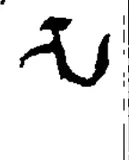 Eastern Chalukyaabout 680Burnell 1878, Plate V, right half
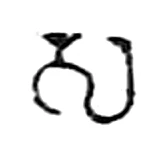 Eastern Chalukya10th centuryOjha 1918, Plate 48
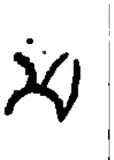 Eastern Chalukya, transitional1134Burnell 1878, Plate VIII, right half
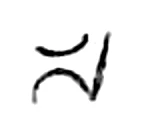 Kakatiya1213Ojha 1918, Plate 50
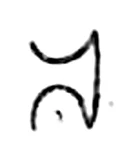 After the Kakatiyas1337Ojha 1918, Plate 51
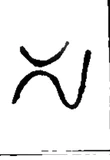 Old Telugu1356Burnell 1878, Plate IX, right half
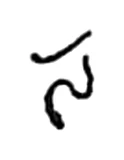 Modern Telugu1918Ojha 1918, Plate 80
- సTelugu, modern fonttyped text, not from a plate
Keesaragutta labels. The Keesaragutta label inscriptions fall near this point in time. The sources date them differently, and this table cuts no letters from them.
- The Department of Heritage, Telangana, dates the label read as Thulachuvanru to the 4th or 5th century from the shape of its letters. Department of Heritage, Telangana: Keesaragutta
- The newspaper Sakshi, reporting the views of historians in 2022, places the same label about 430, in the time of the Vishnukundin king Madhavavarma II. Sakshi 2022
- The Andhra Pradesh annual report for 1978-79 dates several label inscriptions at the site, in early archaic Telugu-Kannada letters and some in Nagari, to the 5th-6th and 7th centuries. The report does not say whether the Thulachuvanru label is among them. A.P. Archaeology Annual Report 1978-79
Amudalapadu plates, 660. D. C. Sircar found the letters of the Amudalapadu plates of 660 to be old Telugu-Kannada. This table cuts no letters from the plates. The first plate is shown with the paragraph above. see the plate ↑Epigraphia Indica XXXII
Brahmi and its southern forms / The Telugu-Kannada script and Telugu. The line between the two groups follows Bühler. He placed the early Chalukya records of Badami, from 578, in the archaic stage of the Kannada and Telugu script. He also counted the Salankayana plates of Vengi in that stage. He wrote that the Grantha script first appears in the early Sanskrit inscriptions of the Pallavas. Bühler 1904
Show the full table
| Brahmi and its southern forms | The Telugu-Kannada script and Telugu | ||||||||||||||
|---|---|---|---|---|---|---|---|---|---|---|---|---|---|---|---|
| Letter | Asokan Brahmi 3rd century BCE | Bhattiprolu 2nd century BCE | Satavahana 2nd century CE | Ikshvaku period about the 3rd century | Pallava, Mayidavolu early 4th century | Salankayana, Vengi 4th-5th century | Pallava, Uruvupalli 5th century | Early Chalukya 578 | Eastern Chalukya about 680 | Eastern Chalukya 10th century | Eastern Chalukya, transitional 1134 | Kakatiya 1213 | After the Kakatiyas 1337 | Old Telugu 1356 | Modern Telugu 1918 |
| a | | | | | | | | | | | | | | | |
| ka | | | | | | | | | | | | | | | |
| ga | | | | | | | | | | | | | | | — |
| ta | | | | | | — | | | | | | | | | |
| da | | | | | | | | | — | | — | | | | |
| na | | | | | — | | | | | | | | | | |
| pa | | | | | | | | | | | | | | | |
| ma | | | | | | | | | | | — | | | | |
| ya | | | | | | | | | | | — | | | | |
| ra | | | | | | | | | | | | | | | |
| la | | | | | | | | | | | | | | | |
| va | | | | | | | | | | | | | | | |
| sa | | — | | | | | | | | | | | | | |
Select a letter to open its plate on archive.org. A dash means that no letter was cut from that plate for this cell.
- Asokan Brahmi, 3rd century BCE. Ojha, Plate 1: the rock inscription of the Maurya king Asoka at Girnar in Gujarat, 3rd century BCE. archive.org ↗ · Ojha 1918
- Bhattiprolu, 2nd century BCE. Ojha, Plate 4: ten inscriptions of the Bhattiprolu stupa, 2nd century BCE. archive.org ↗ · Ojha 1918
- Satavahana, 2nd century CE. Ojha, Plate 9: four Nasik inscriptions of the Satavahana king Vasishthiputra Pulumayi, 2nd century CE. archive.org ↗ · Ojha 1918
- Ikshvaku period, about the 3rd century. Ojha, Plate 12: three Jaggayyapeta inscriptions, about the 3rd century CE. Bühler places them in the time of the Ikshvaku king Sirivira Purisadatta. archive.org ↗ · Ojha 1918
- Pallava, Mayidavolu, early 4th century. Ojha, Plate 13: the Mayidavolu plates of the Pallava king Sivaskandavarman, about the beginning of the 4th century CE. archive.org ↗ · Ojha 1918
- Salankayana, Vengi, 4th-5th century. Burnell, Plate I: the Vengi alphabet, from grants of the dynasty that ruled Vengi before the Chalukyas. Burnell refers these grants to the 4th and 5th centuries. archive.org ↗ · Burnell 1878
- Pallava, Uruvupalli, 5th century. Ojha, Plate 43: the Uruvupalli plates of the Pallava king Vishnugopavarman, 5th century CE. archive.org ↗ · Ojha 1918
- Early Chalukya, 578. Ojha, Plate 45: the Badami inscription of the time of the Chalukya king Mangalesa, Saka 500 (578 CE). archive.org ↗ · Ojha 1918
- Eastern Chalukya, about 680. Burnell, Plate V: an Eastern Chalukya grant that Burnell dates to about 680. archive.org ↗ · Burnell 1878
- Eastern Chalukya, 10th century. Ojha, Plate 48: the Pagunavaram grant of the Eastern Chalukya king Bhima II, first half of the 10th century. archive.org ↗ · Ojha 1918
- Eastern Chalukya, transitional, 1134. Burnell, Plate VIII: an Eastern Chalukya grant of 1134, in the alphabet that Burnell calls transitional. archive.org ↗ · Burnell 1878
- Kakatiya, 1213. Ojha, Plate 50: a Chebrolu inscription of the time of Ganapati Deva, Saka 1135 (1213 CE). archive.org ↗ · Ojha 1918
- After the Kakatiyas, 1337. Ojha, Plate 51: the Donepundi grant of Namaya Nayaka of Pithapuram, Saka 1259 (1337 CE). archive.org ↗ · Ojha 1918
- Old Telugu, 1356. Burnell, Plate IX: Old Telugu, from a copper-plate grant of 1356. archive.org ↗ · Burnell 1878
- Modern Telugu, 1918. Ojha, Plate 80: the Telugu alphabet of Ojha's own day. archive.org ↗ · Ojha 1918